The History of Bioscience

About the Project
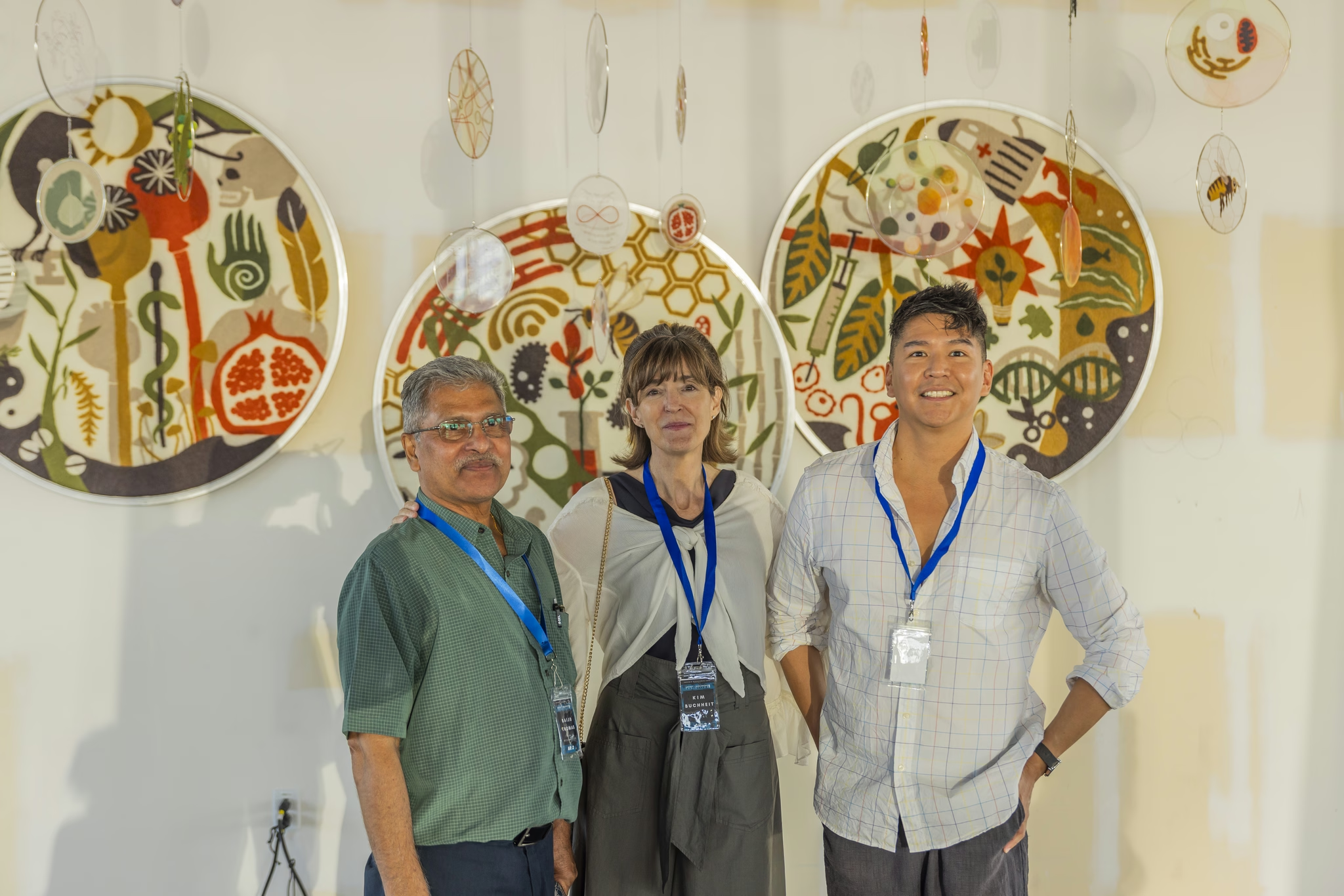
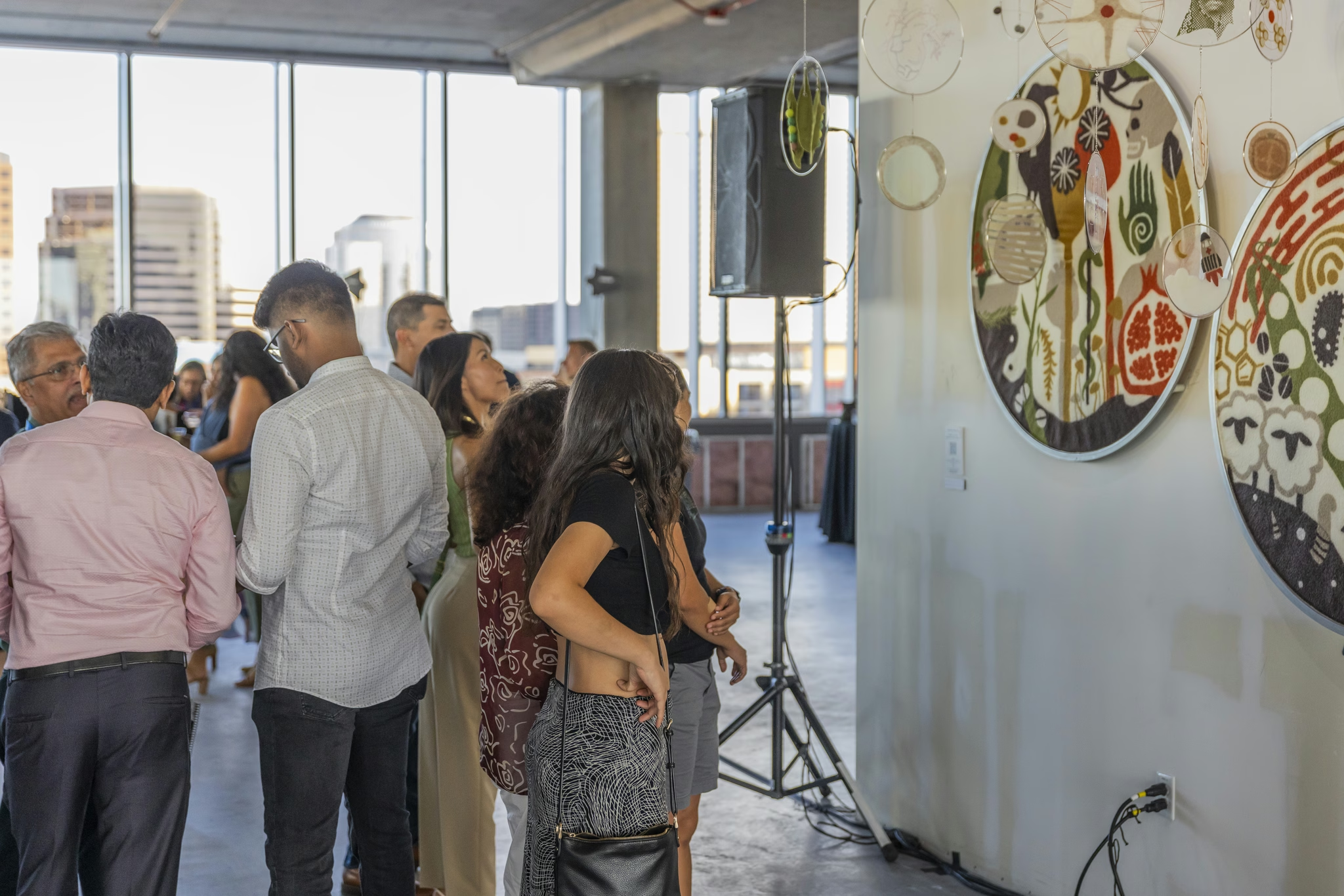
The History of Bioscience is a collaborative installation created through the Phoenix Bioscience Core’s Artist + Researcher (ARx2) program. This initiative pairs professional artists with world-class scientists to translate complex medical data into accessible, human-centric narratives. By merging the tactile world of fiber arts with the precision of nanomedicine, artist Kim Buchheit and Dr. Frederic Zenhausern have created a visual bridge between the past and the future of healthcare. The project serves as both an educational tool and an artistic exploration, inviting viewers to contemplate how the human quest for healing has evolved from ancient herbalism to the microscopic manipulation of matter.

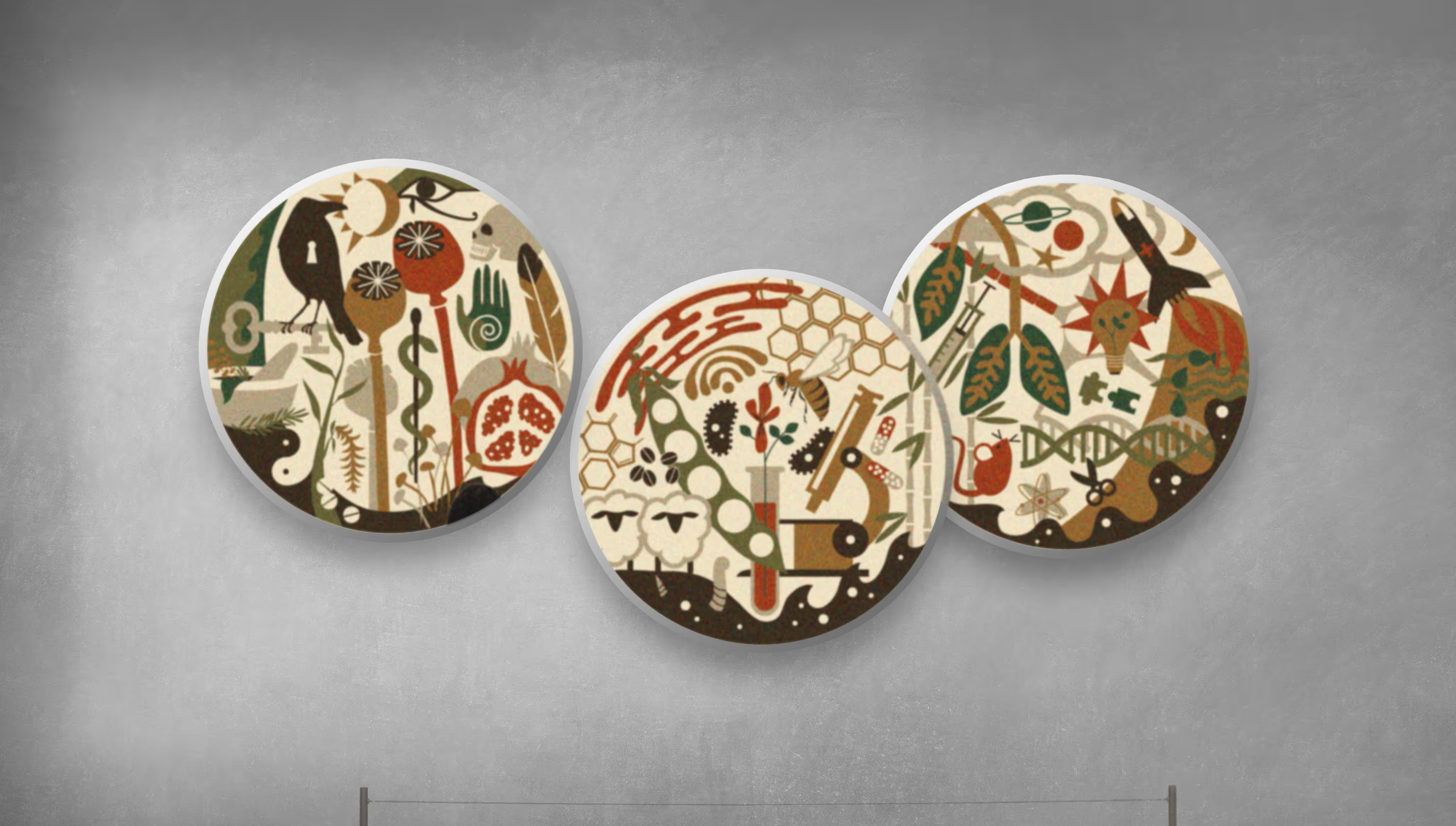
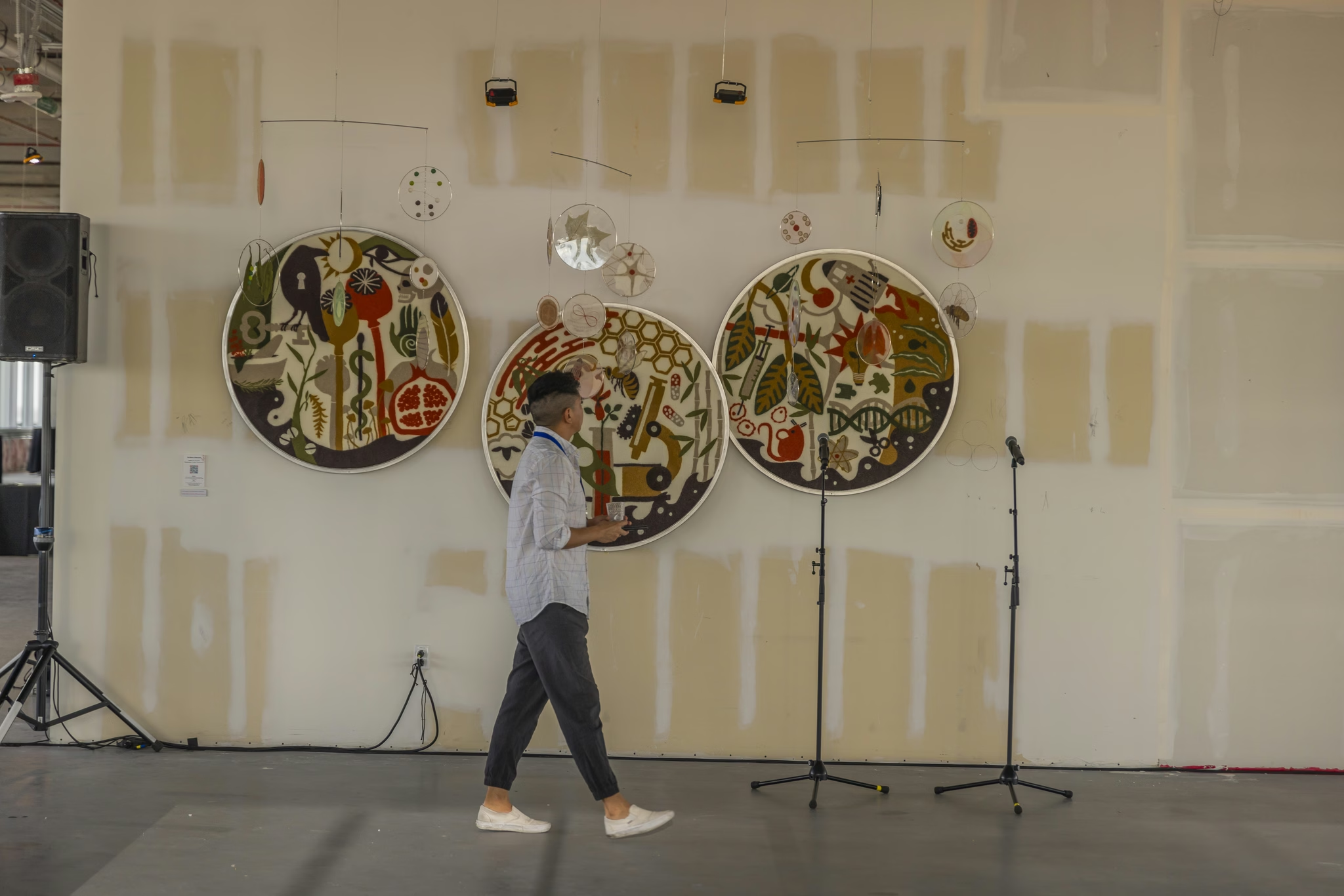
Medium: The triptych is wet felted wool mounted [hand-stitched] onto coated aluminum mesh screens; mobile is mixed-media
Specifications: Work consists of four components: Three felted wool panels and a mixed-media mobile. Each round panel is 46” in diameter and the mobile approximately 13 feet
Cost of Piece: $21,000




Behind the work
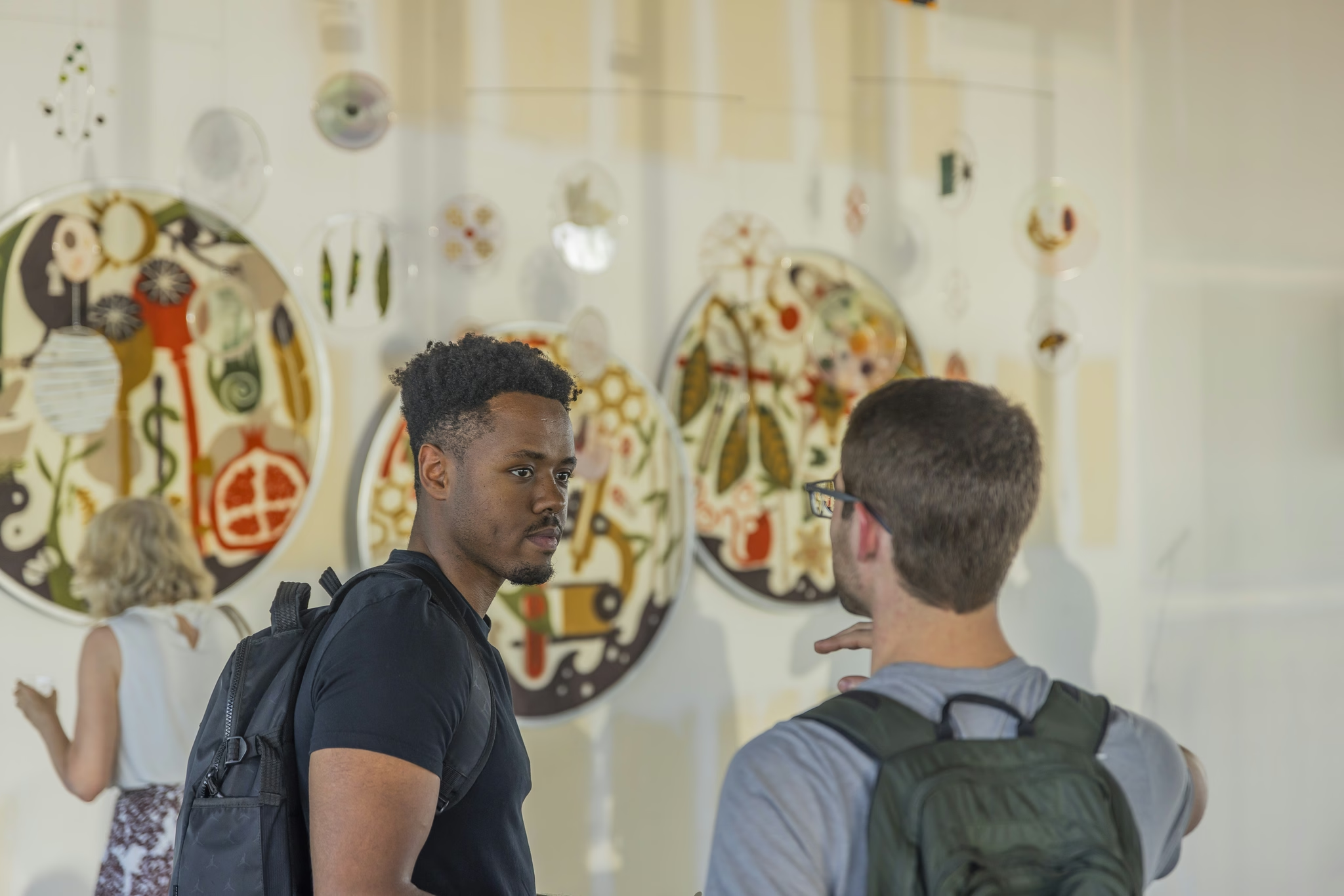
The installation is a multi-dimensional work comprising three large-scale felted wool panels and a suspended kinetic sculpture. The felted panels utilize a "wet felting" technique to create organic, textured landscapes that represent the timeline of bioscience, beginning with the foundations of medicine in Ancient Egypt and progressing toward modern genomic breakthroughs. Accompanying these panels is a mobile-inspired sculpture that serves as a visual metaphor for the ongoing research at the Center for Applied NanoBioscience and Medicine (ANBM). This kinetic element incorporates motifs representing cutting-edge innovations, such as nanoparticle drug delivery systems, "gas marbles" for planetary medicine, and the conceptualization of healthcare for future space exploration.