Metastasize vs Mathematize

About the Project
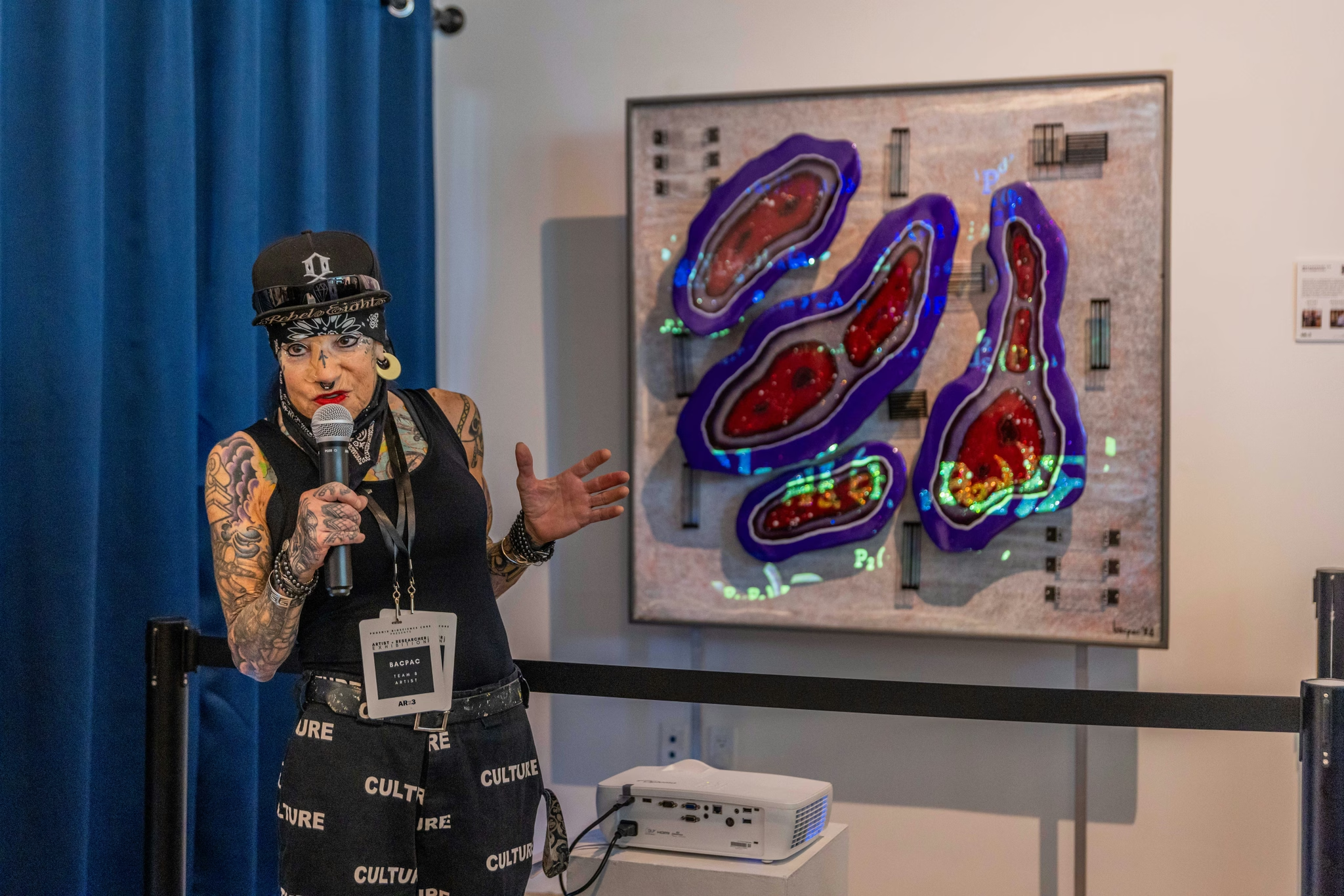
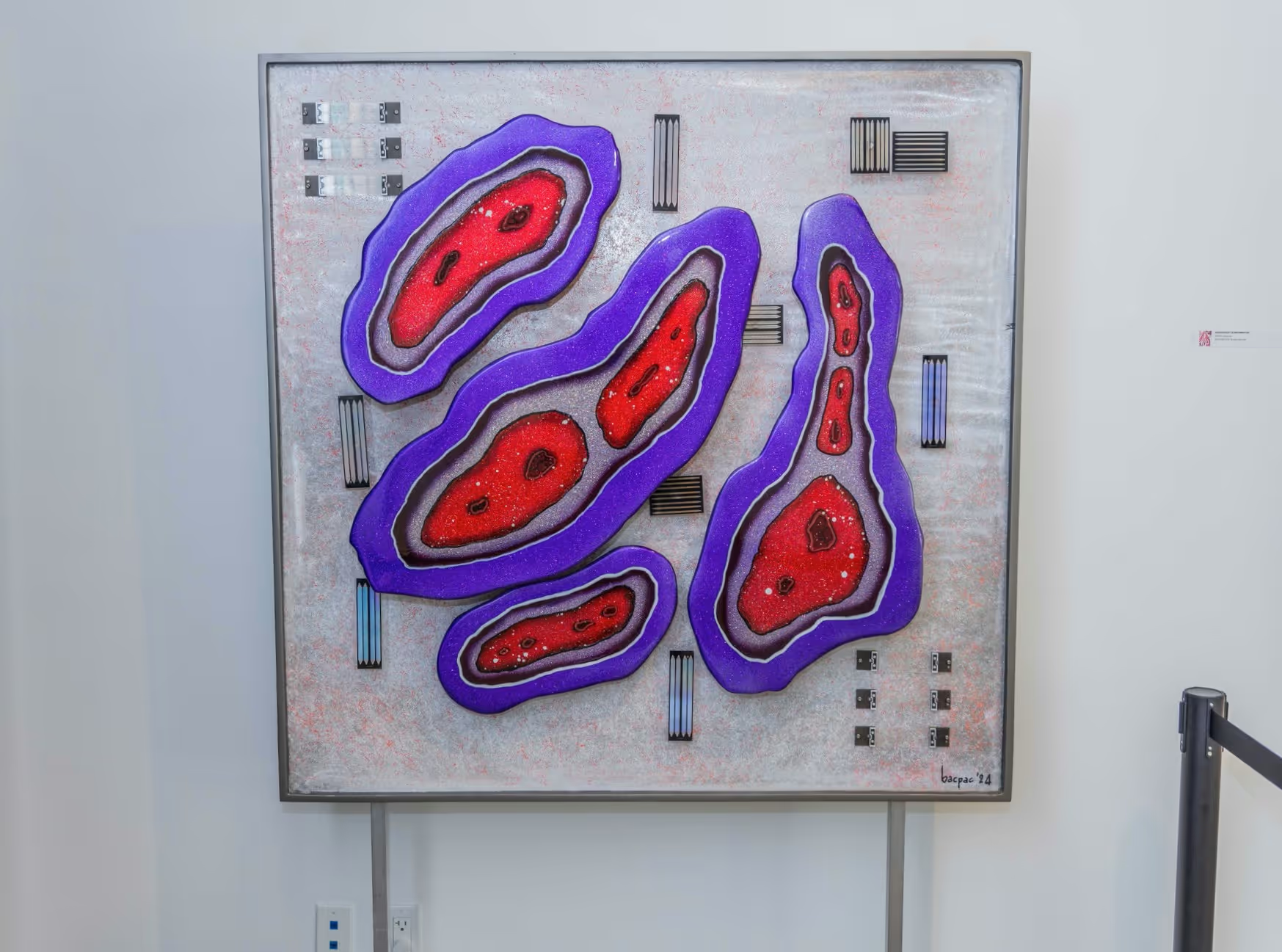
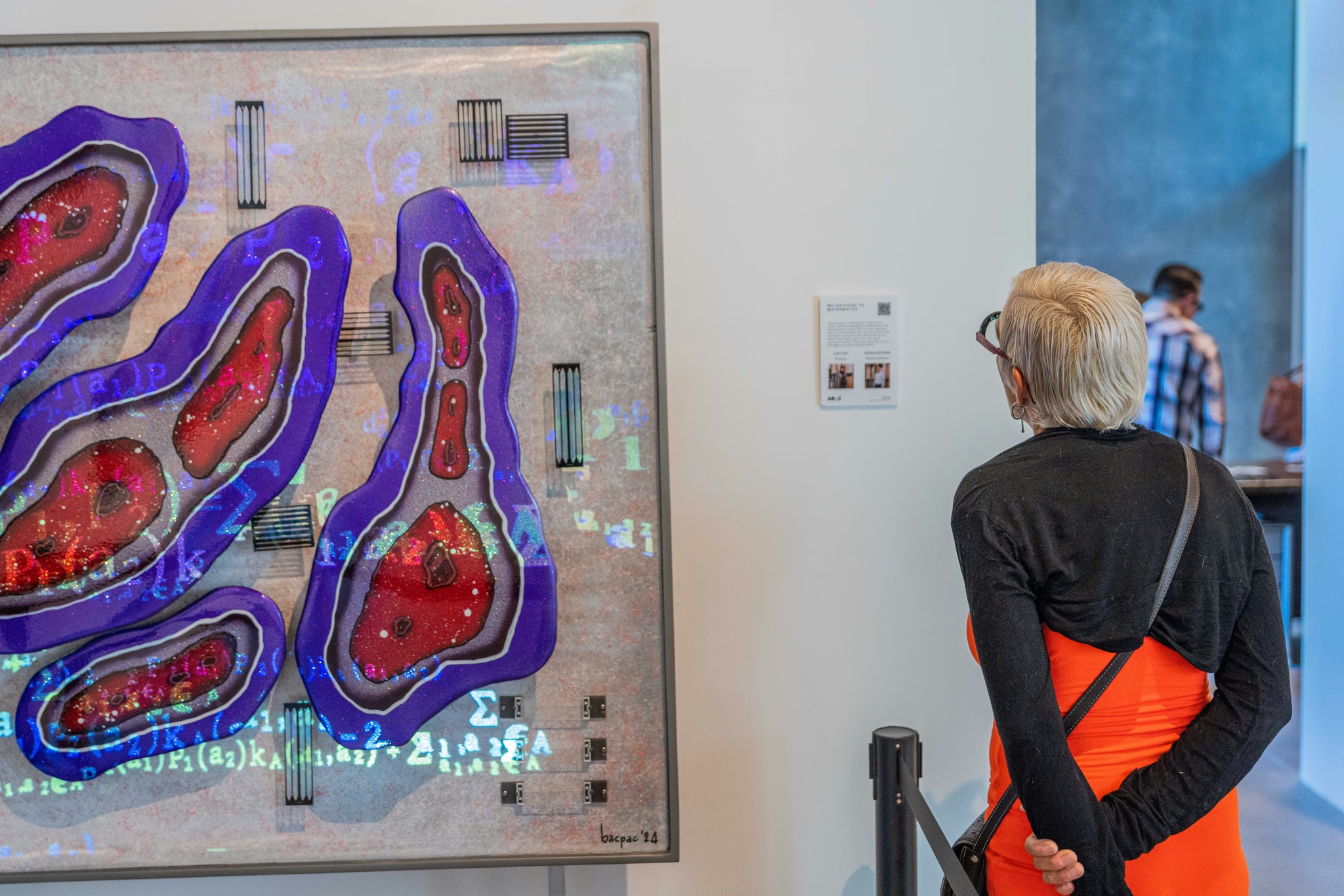
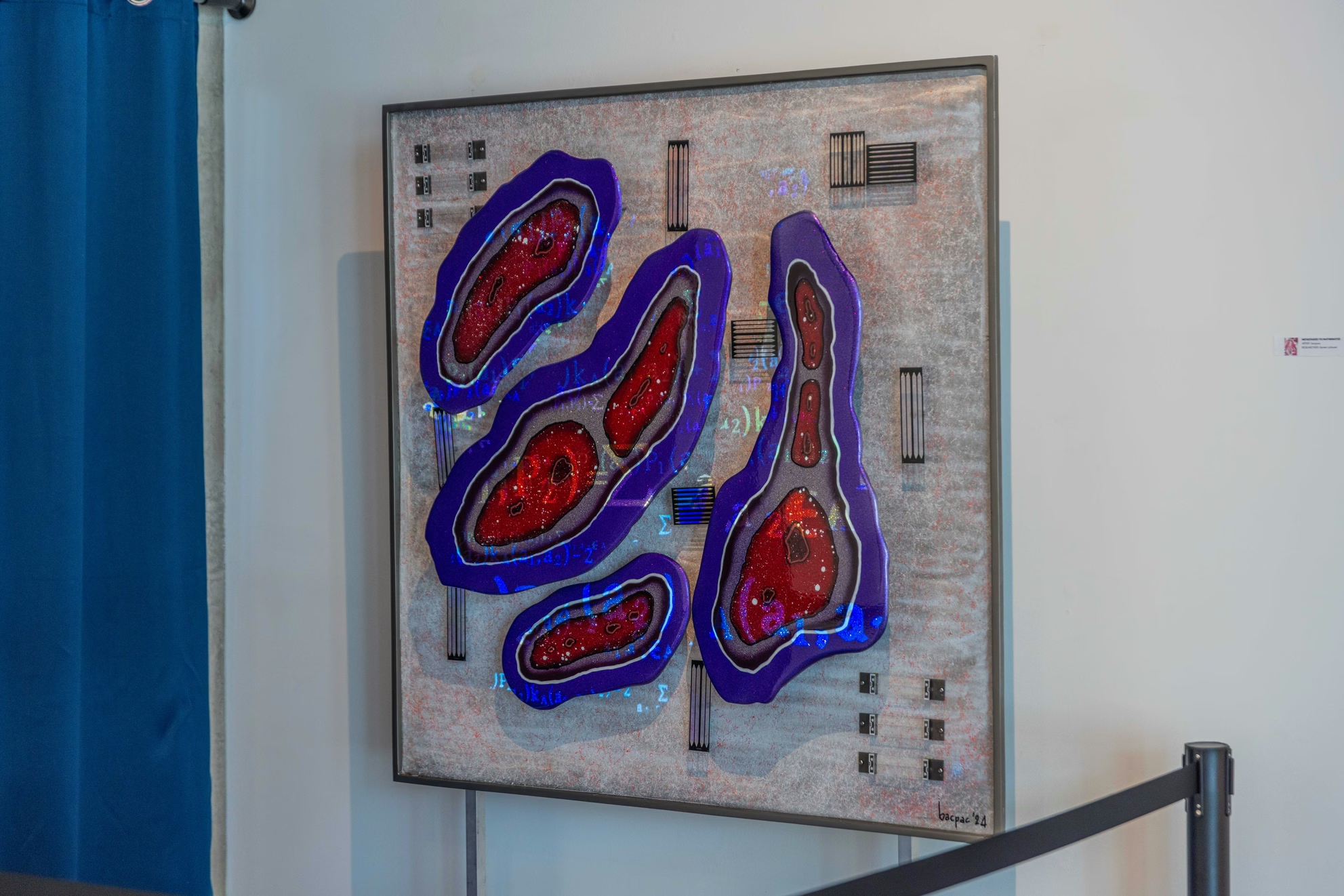
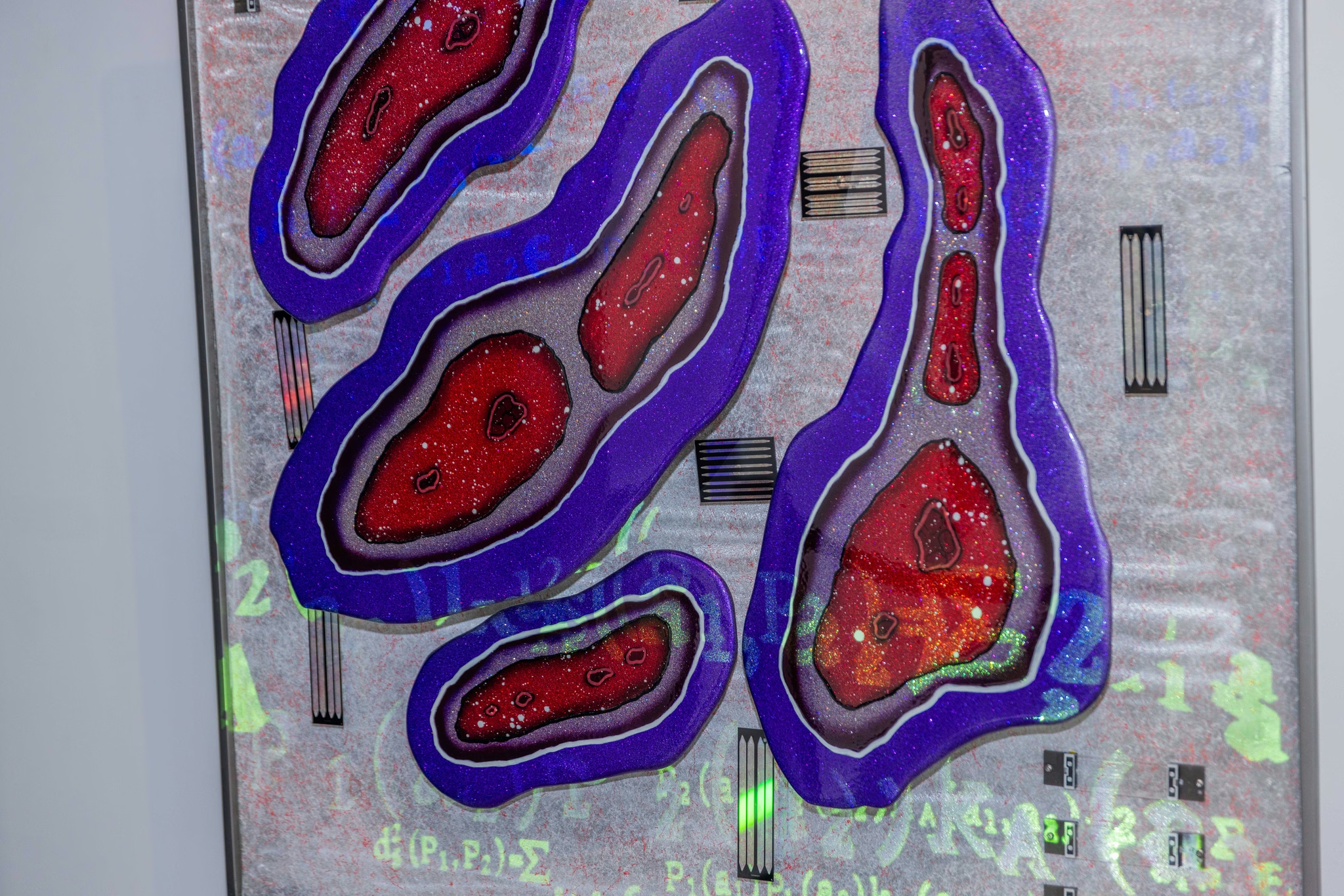
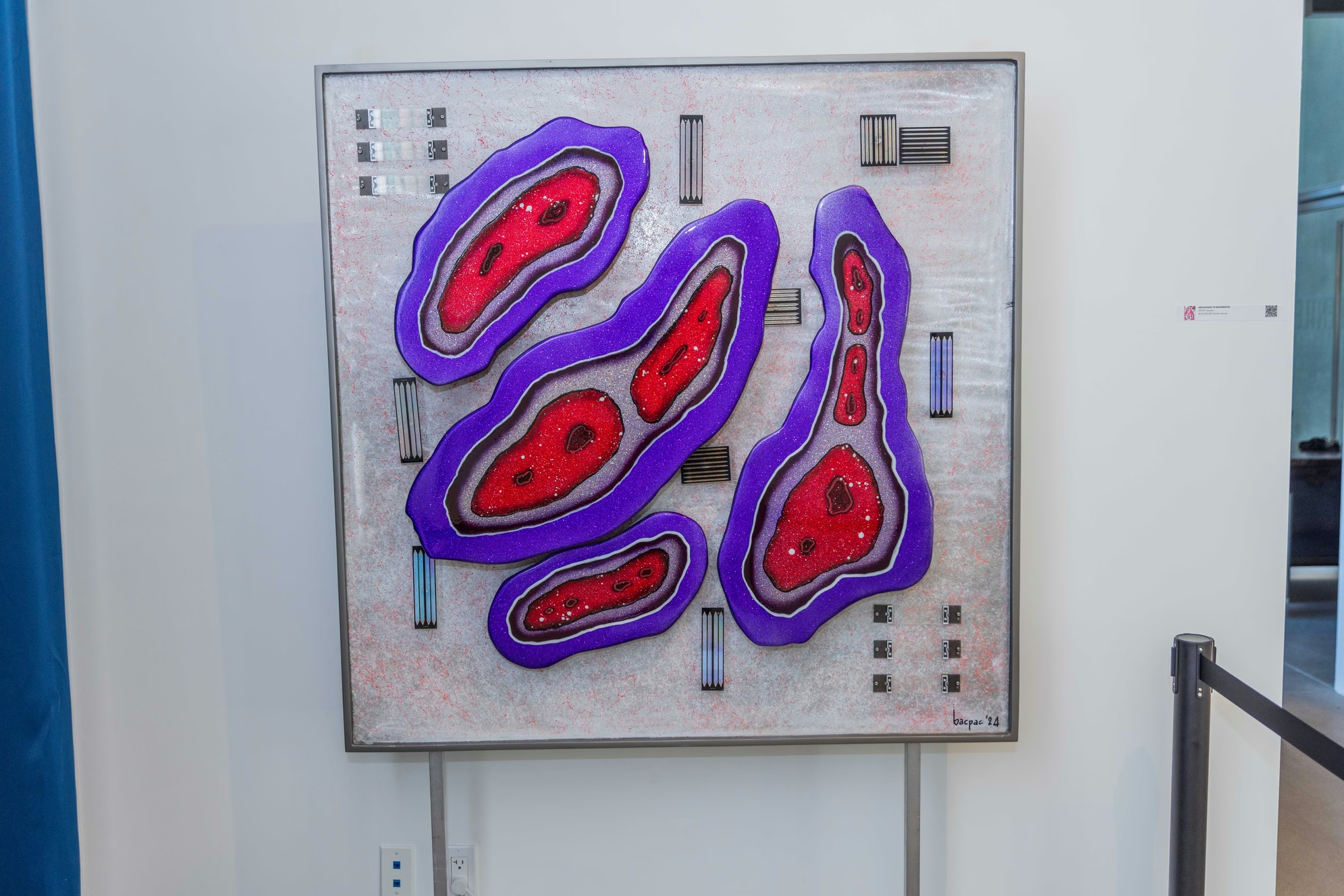
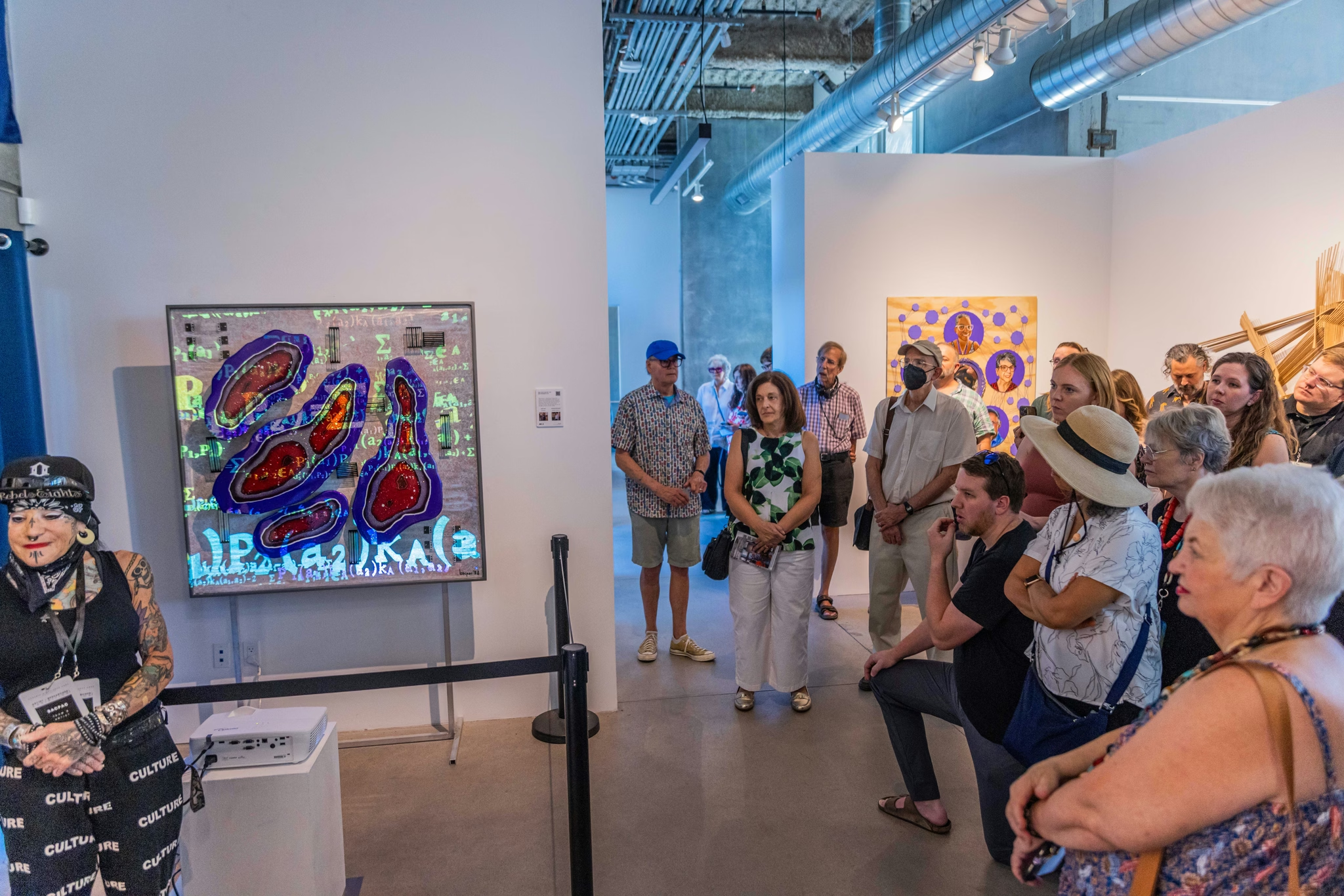
Metastasize vs Mathematize is a mini mural composed of an aluminum frame and panel with a metal flake finish. The work depicts a tumor composed of mutant cells and flow cells, overlaid with an animated projection of a mathematical formula developed to detect mutations at an early stage.
The title reflects a conceptual tension between uncontrolled biological growth and mathematical intervention. The projected formula represents research that seeks to identify cancer through cell free DNA signals before disease progression becomes advanced. Embedded within the artwork are actual flow cells used in laboratory research. These elements stand in for human presence, underscoring the idea that cancer is a condition with universal relevance.
By combining painted imagery with live projection, the piece creates a layered visual environment where cancer biology and mathematical analysis coexist, offering a contemplative view of how scientific approaches can confront complex disease processes.

Artpiece dimensions
48″ x 72″ x 60″
Artpiece price
$4,200
Projector not included




Behind the work
The project emerged through collaboration between artistic practice and mathematical cancer research. Conversations around mutation detection, modeling, and laboratory processes informed the conceptual structure of the piece. Material choices such as aluminum, automotive paint, and projection were selected to reflect precision, industry, and analysis. The integration of flow cells and animated data highlights the translation of scientific tools into visual form, emphasizing process, interpretation, and shared inquiry.