Long Division # 7


About the project
Biomedical science is an art. Both science and art are systematic processes. The process includes a mission, a plan, trial, error, implementation, and analysis. The pieces created represent the scientific and artistic process. When the finished piece appears straightforward, it is because substantial thought, effort, and time went into creating it.
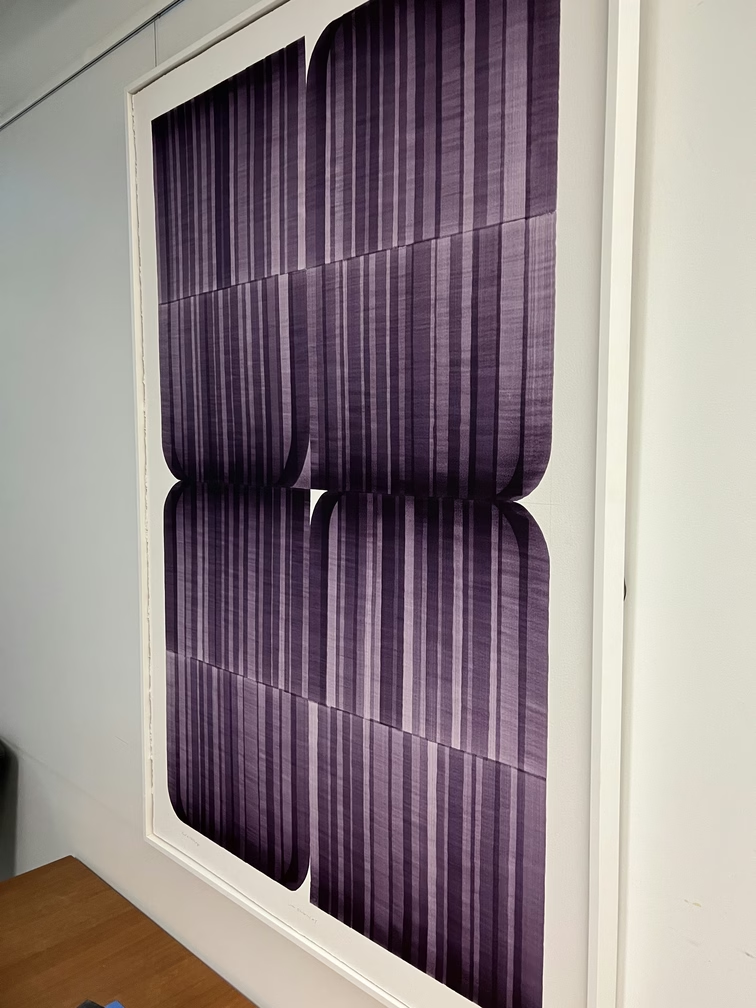
The pieces represent the execution of a clear plan, knowing that variance, error, and wobble will shine through. Like mowing an expanse of grass, the process appears simple, until the lines deviate, the rows overlap varying amounts, and the corners add a new challenge. In the pieces, from a distance, the systematic plan is clear. In the details, the wobble through the lines becomes evident. The inconsistent pace of the brush becomes evident. The variance in the pigment becomes evident. And the analysis of the final product reflects the lanes, bands, and staining achieved in standard protein electrophoresis gels known as western bolts.
In the end, the parallel lines of varying thicknesses and densities also represent our multiple marginalized identities as scientists and artists. In some respects, the lines mirror the multitude of gender identities and expressions traversing the array of PRIDE flags.

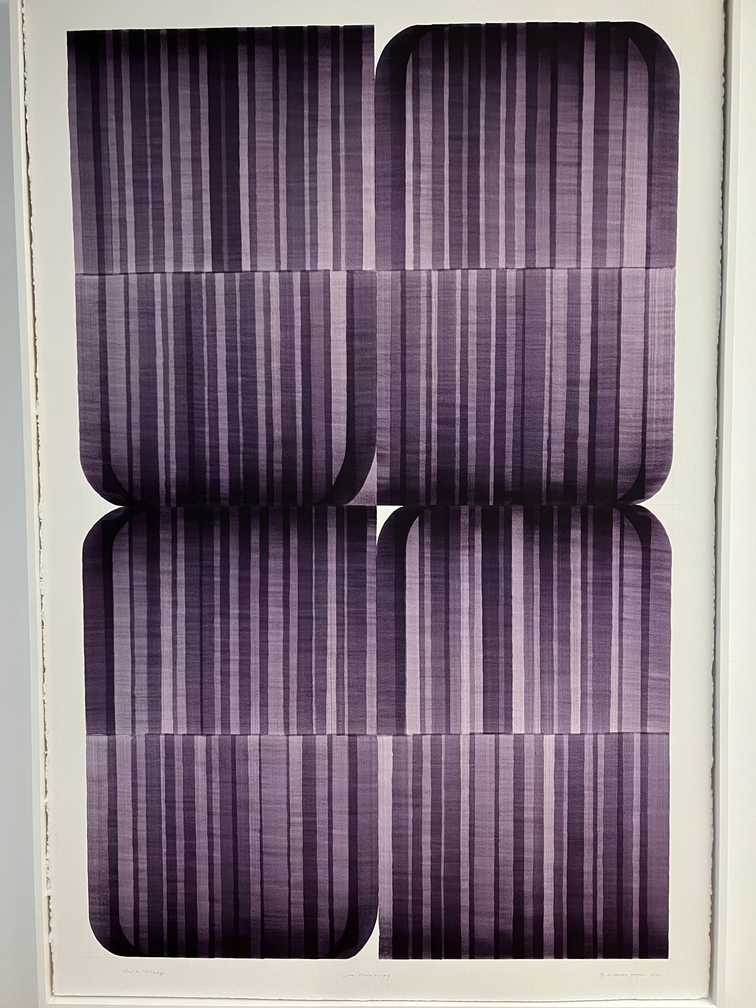
Medium: hand-painted watercolor on cold pressed Arches paper
Retail cost: $8,800
Behind the work
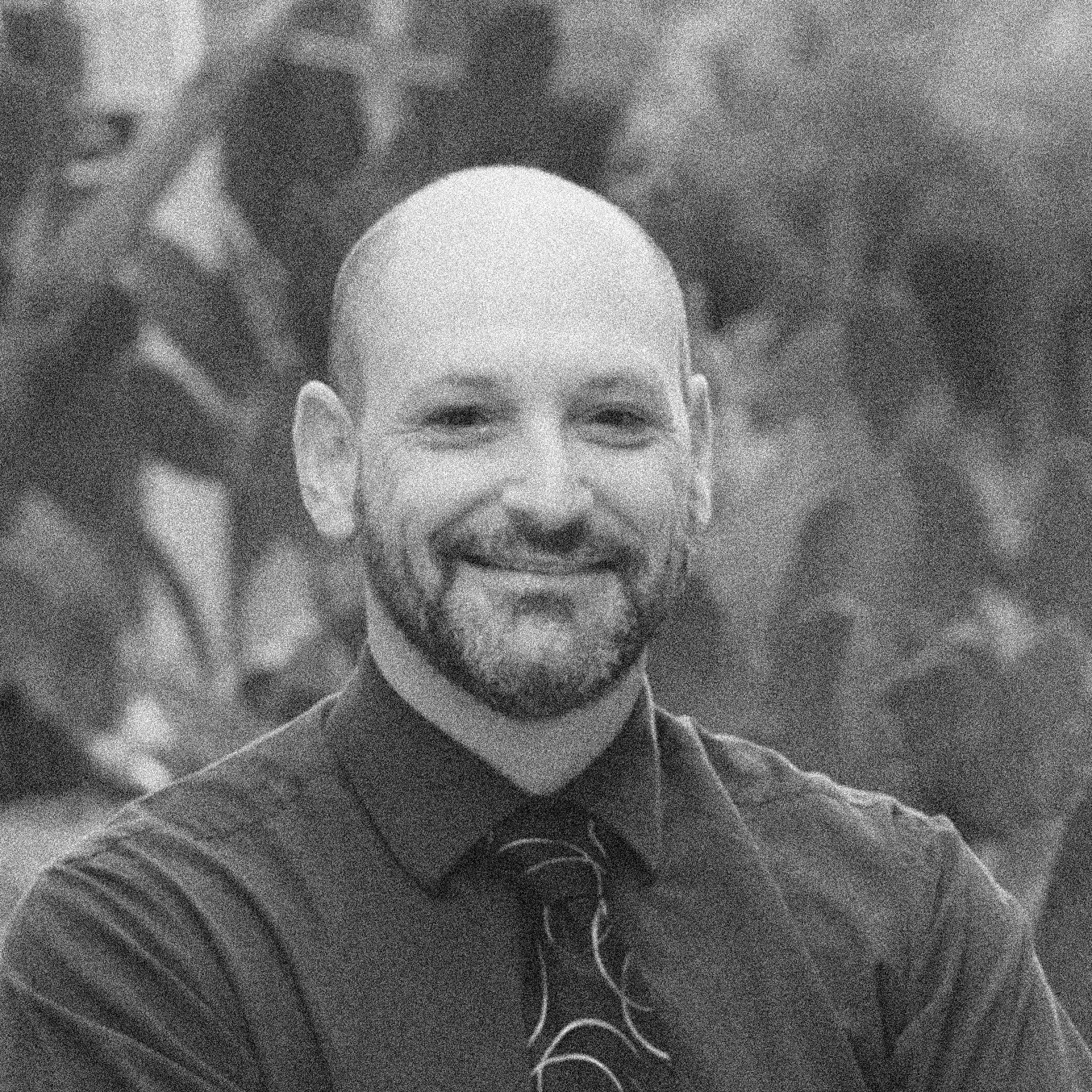
Long Division # 7 is an artistic creation from the inaugural ARx cohort, resulting from the partnership between artist Michael Marlowe and Dr. Jonathan Lifshitz, a neuroscientist specializing in traumatic brain injury. The artwork reflects their shared dialogue and exploration of the systematic processes inherent in both biomedical science and artistic creation. Michael Marlowe's artistic practice often involves the deconstruction and abstract visualization of the human form, aiming to "see around the parts we know, to discover the parts we don't". This approach harmonized with Dr. Lifshitz's research into how brain injury "dismantles, repairs, and regenerates circuits" in the brain. The resulting piece uses an abstract visual language to make the nuanced, complex processes of brain injury, inflammation, and potential regeneration understandable and open to public interpretation, capturing the inherent art and science of the healing process.