‘It’s All In Your Head’

About the project
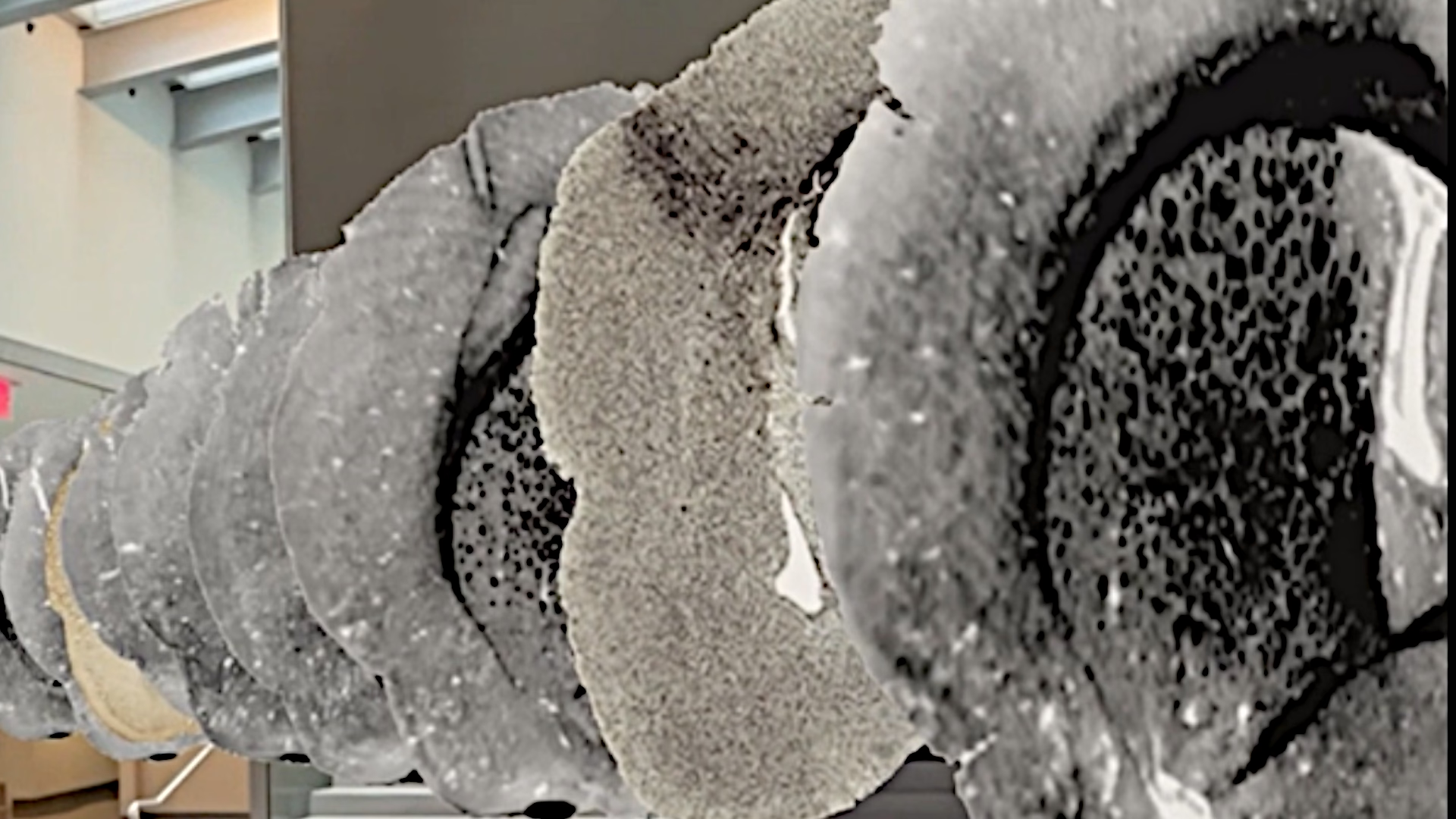
The art exhibit is a unique collaboration between artist Rembrandt Quiballo and Dr. Theresa Currier Thomas, a leading neurotrauma researcher at the University of Arizona College of Medicine – Phoenix. The project is designed to bridge the gap between complex scientific data and public understanding of concussions and traumatic brain injuries (TBI). The title itself is a provocative statement that challenges the common misconception that concussion symptoms are purely psychological or imagined. By making the invisible, microscopic damage of a brain injury visible through art, the project validates the experiences of those suffering from post-concussion symptoms and aims to foster greater empathy and education within the community.

Medium: Augmented Reality Installation
Retail cost: $10,000

Behind the work
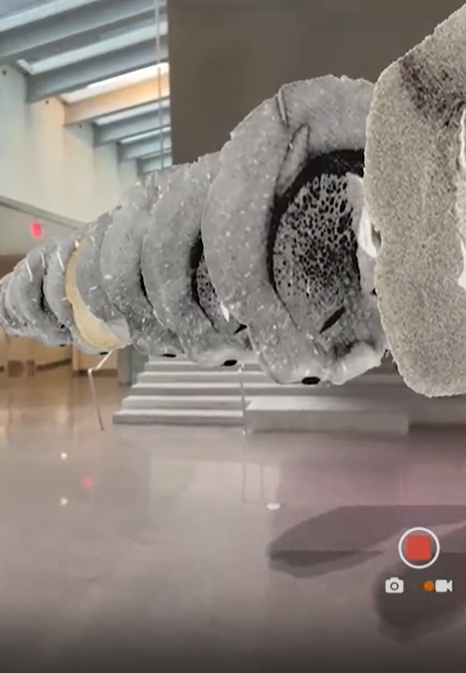
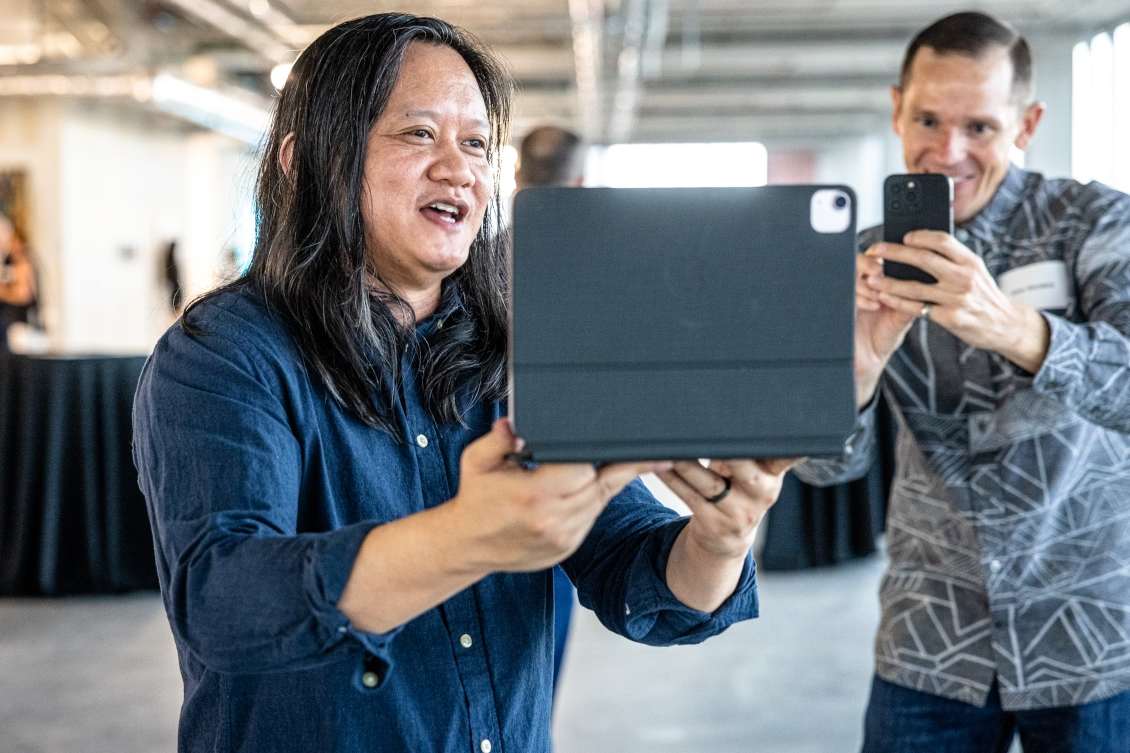
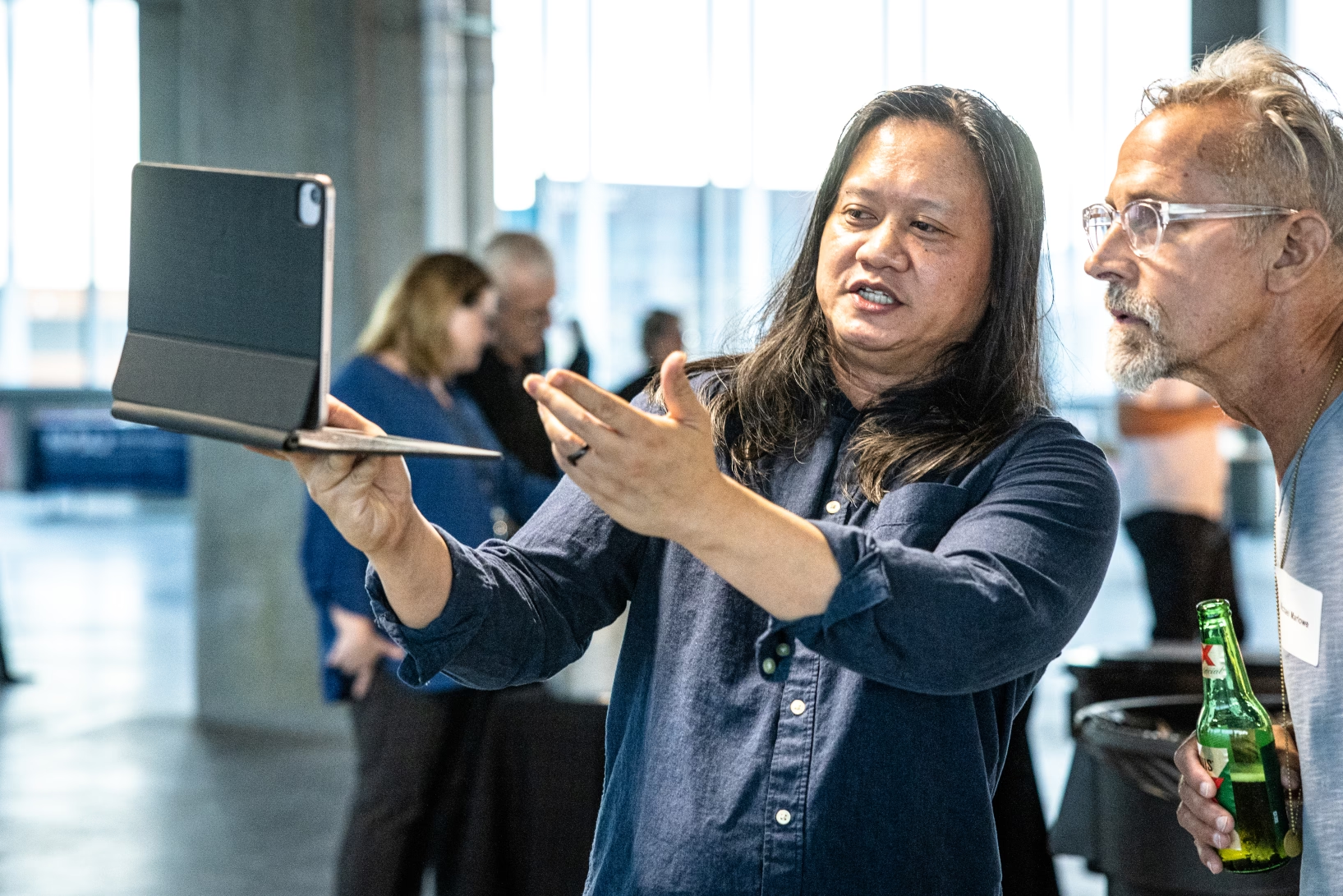
The core of the project is an immersive augmented reality (AR) experience that allows viewers to explore the physical reality of a concussed brain. Viewers use a tablet or smartphone to interact with the artwork, essentially "stepping inside an injured brain" to visualize the neurological damage that often goes undetected by standard medical imaging like MRIs. The artwork focuses on the actual mechanics of injury, illustrating the microscopic shearing effects and cellular damage that occur at the interfaces of different brain tissues. The project serves as a powerful educational tool for the general population, patients, and healthcare providers, demonstrating the physical basis for persistent symptoms and highlighting the critical need for continued neurotrauma research.