In the Wake

About the Project
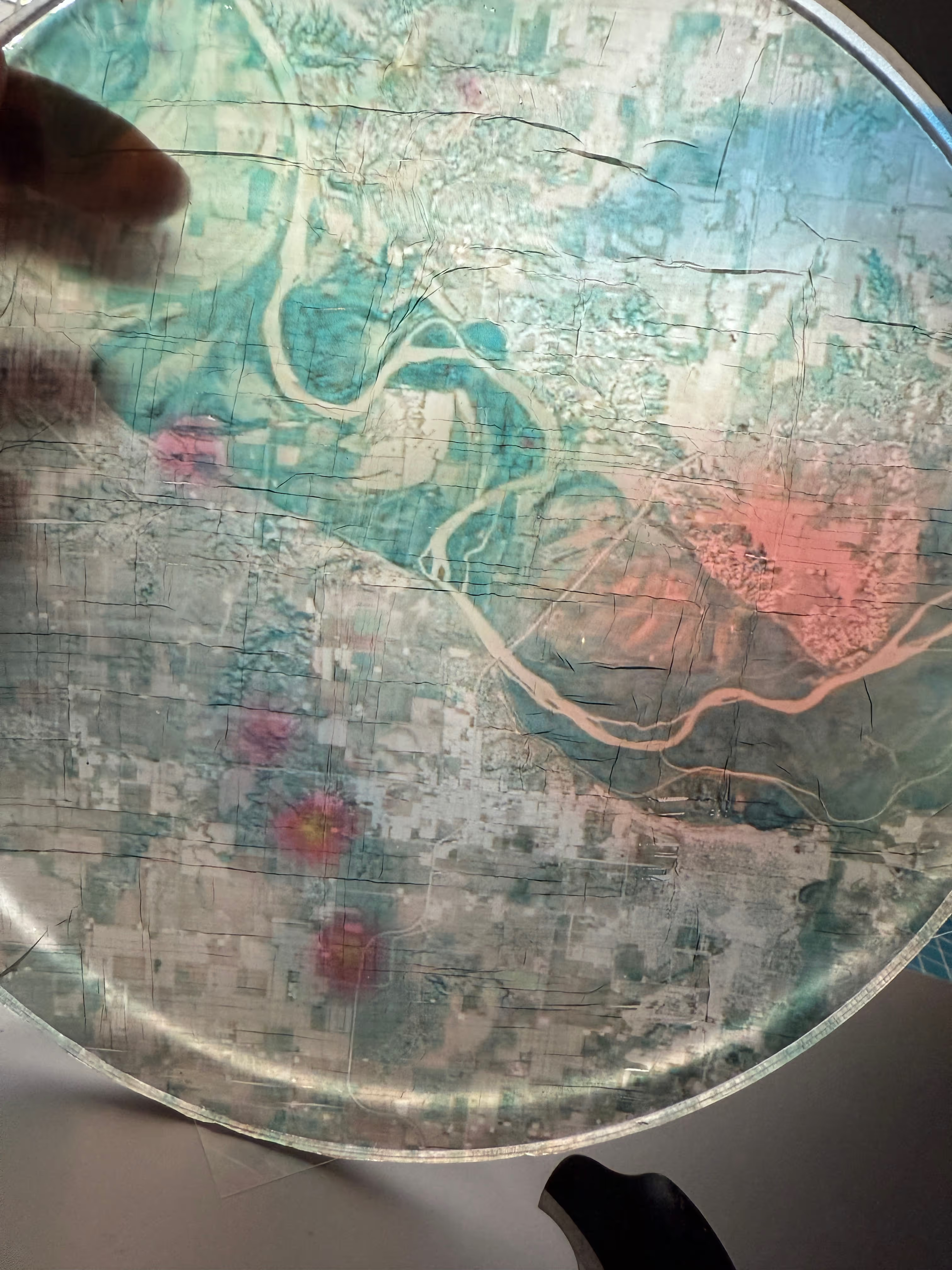
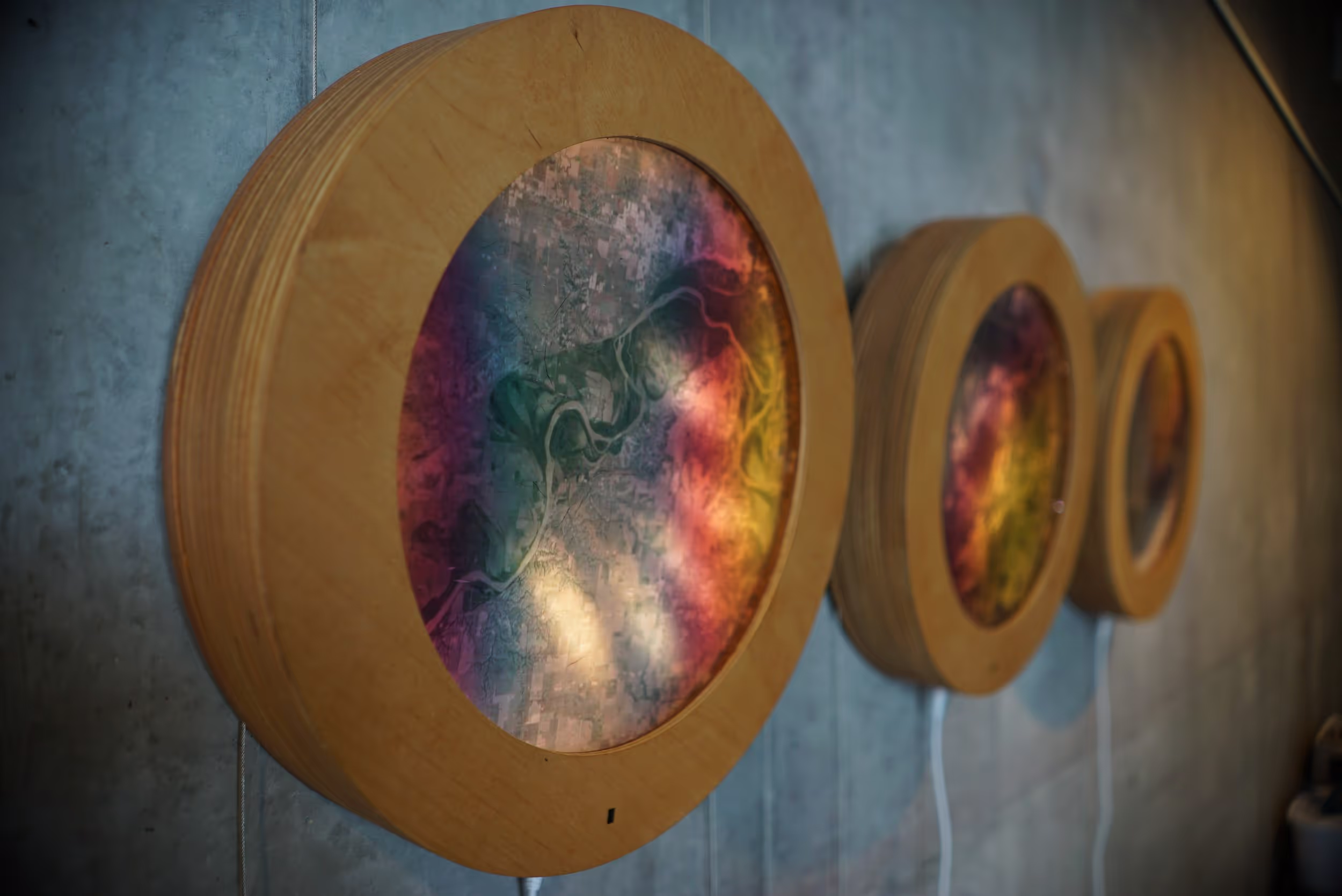
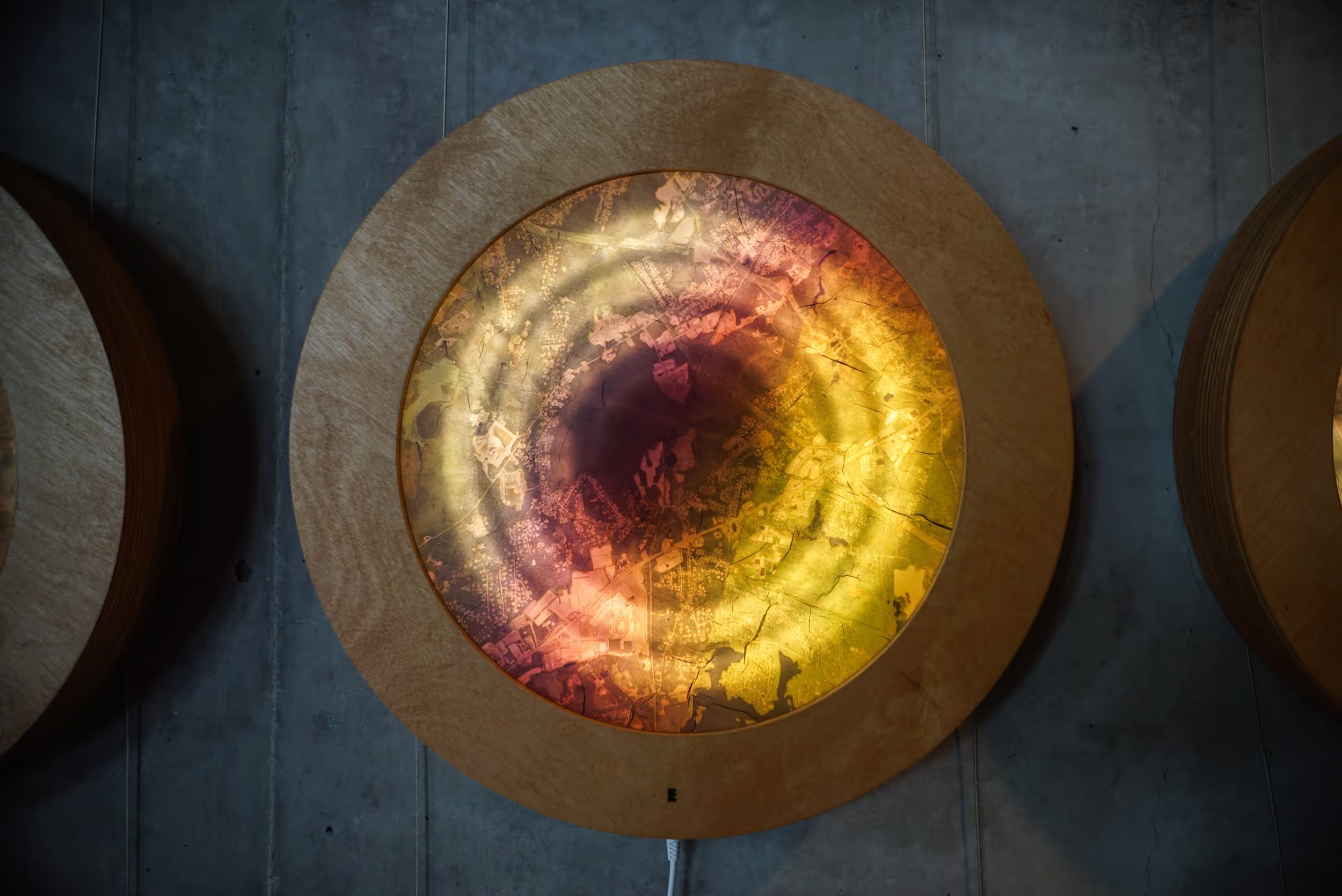
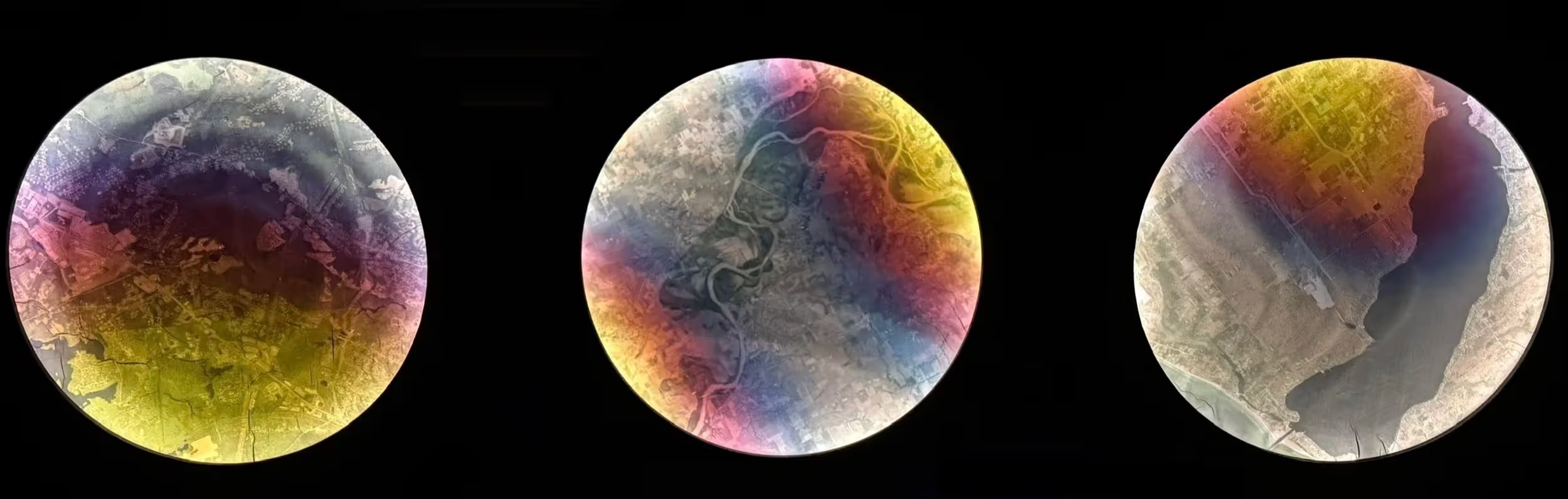
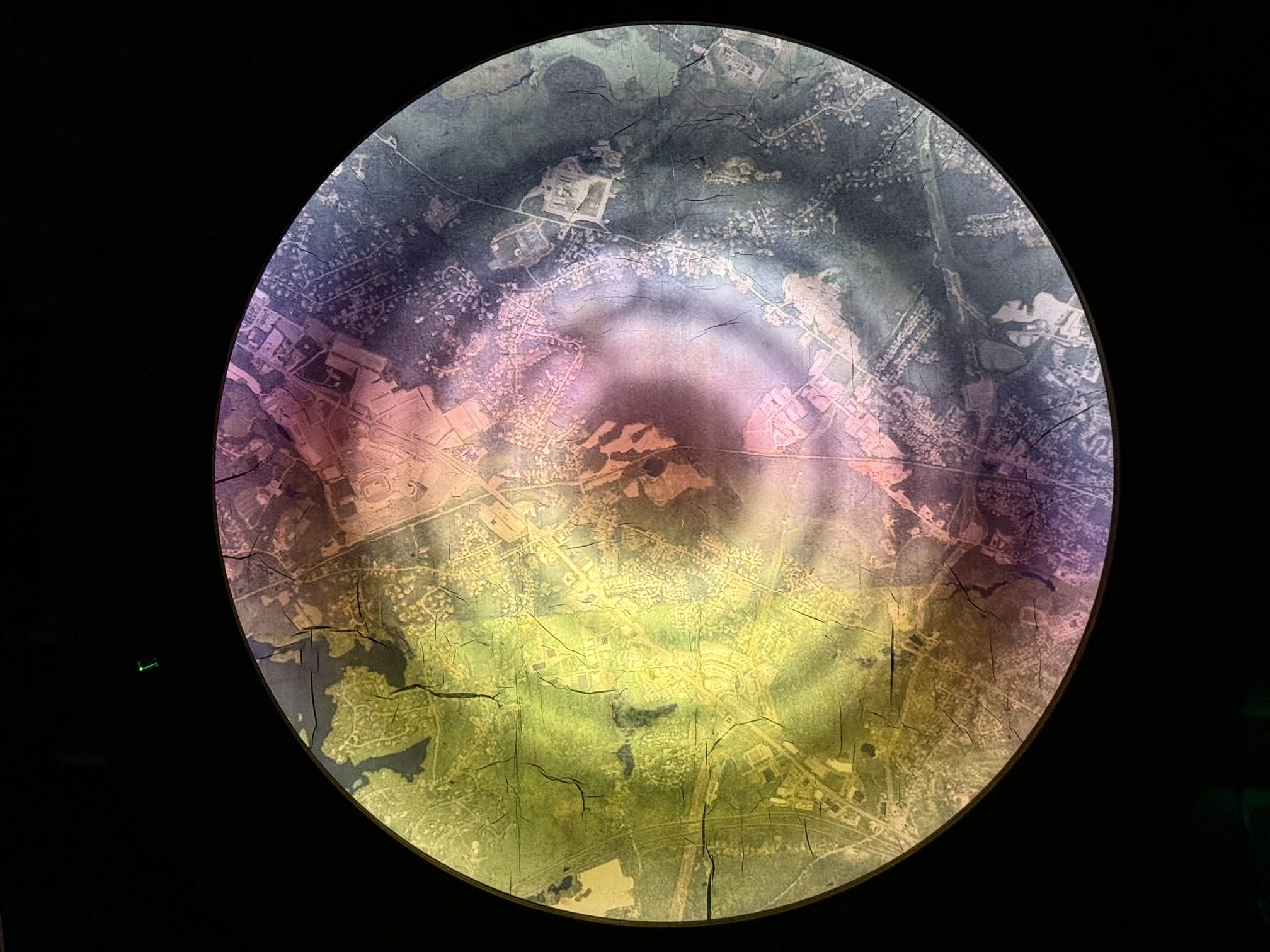
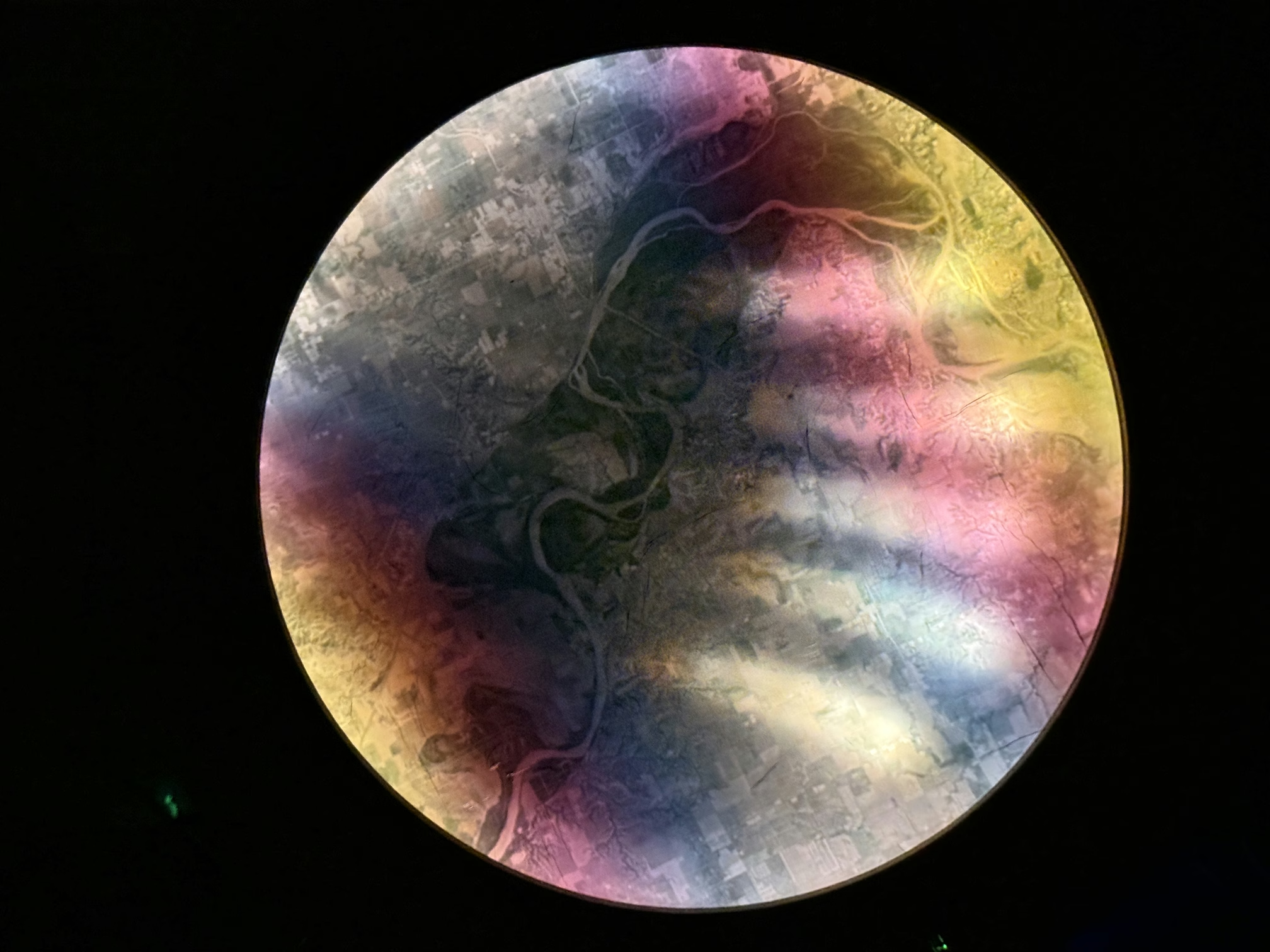
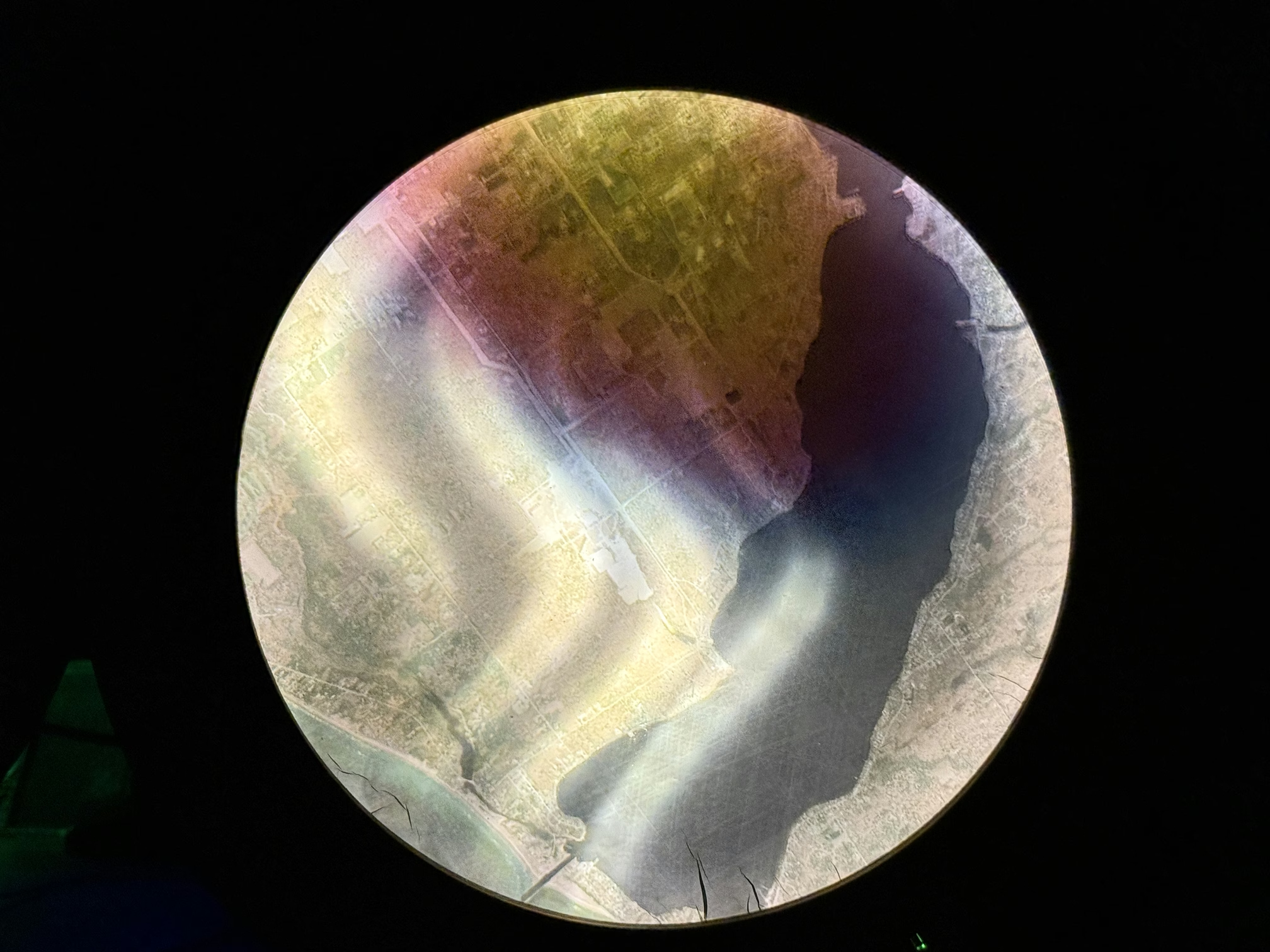
In the Wake: The Silent Drift of Environmental Neurotoxins is a collaboration between artist Kendra Sollars and scientist Dr. Brittany Krzyzanowski. The project uses maps, light, and movement to illustrate how certain environmental contaminants move through air, water, and soil. The work draws from real locations where these toxins have been studied, transforming scientific data into a physical and visual experience.
By making invisible processes perceptible, the project invites reflection on how environmental exposure shapes human health. It also opens space for conversation around awareness, research, and the possibility of healthier futures informed by understanding.

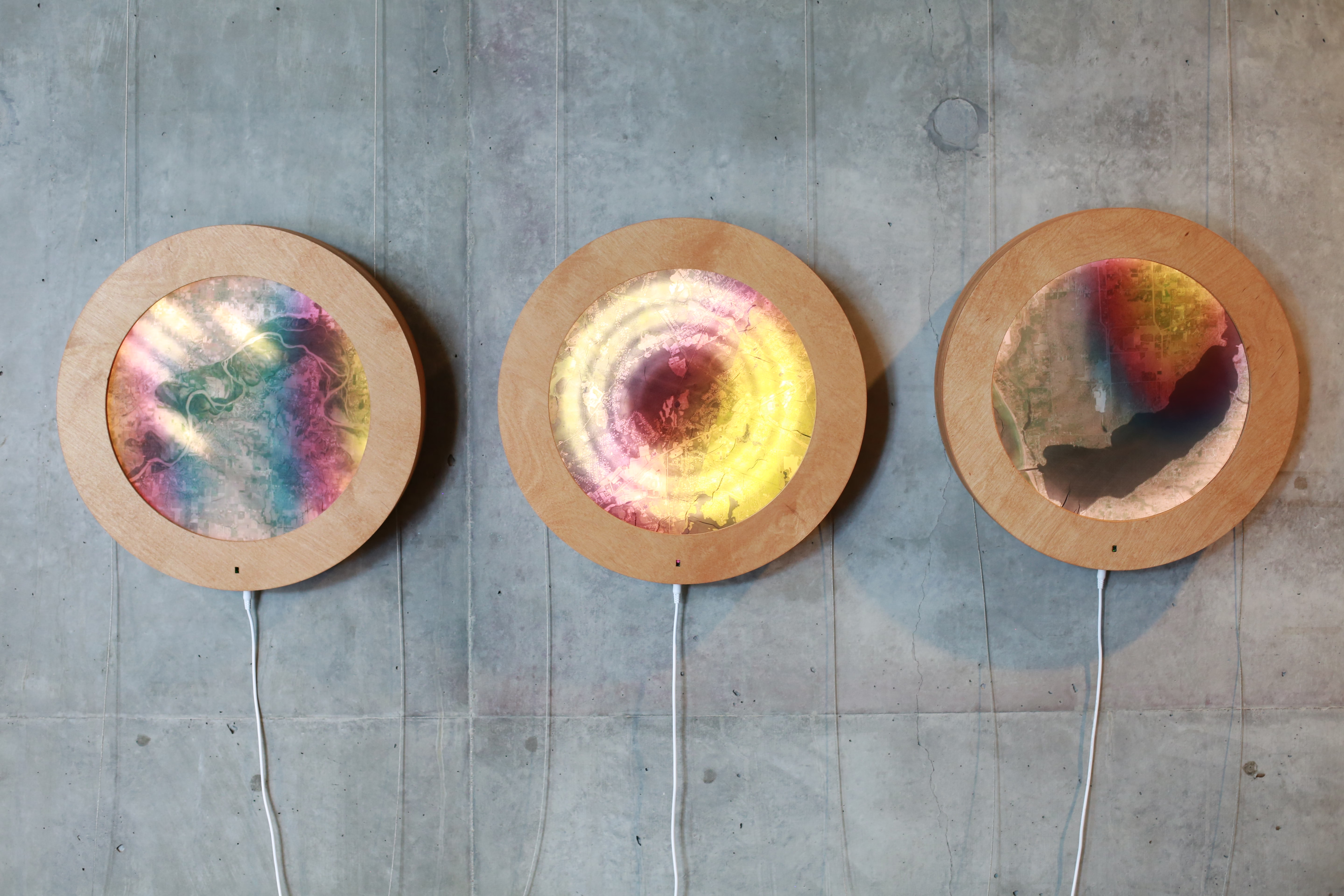
Artpiece dimensions: 50 1/2″ W x 15 1/2″ H x 2 5/8″ D
Artpiece price: $10,000
Behind the work
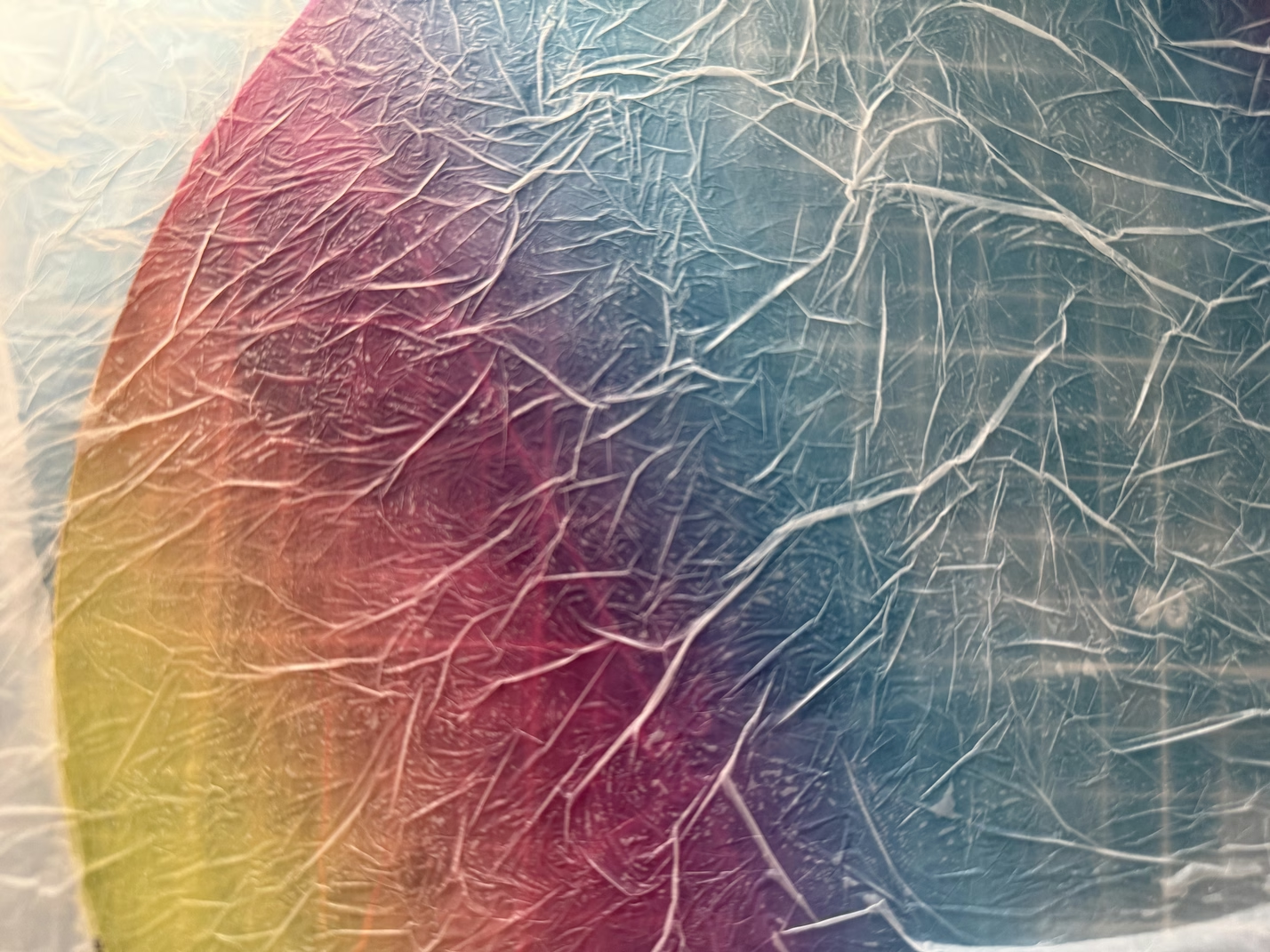
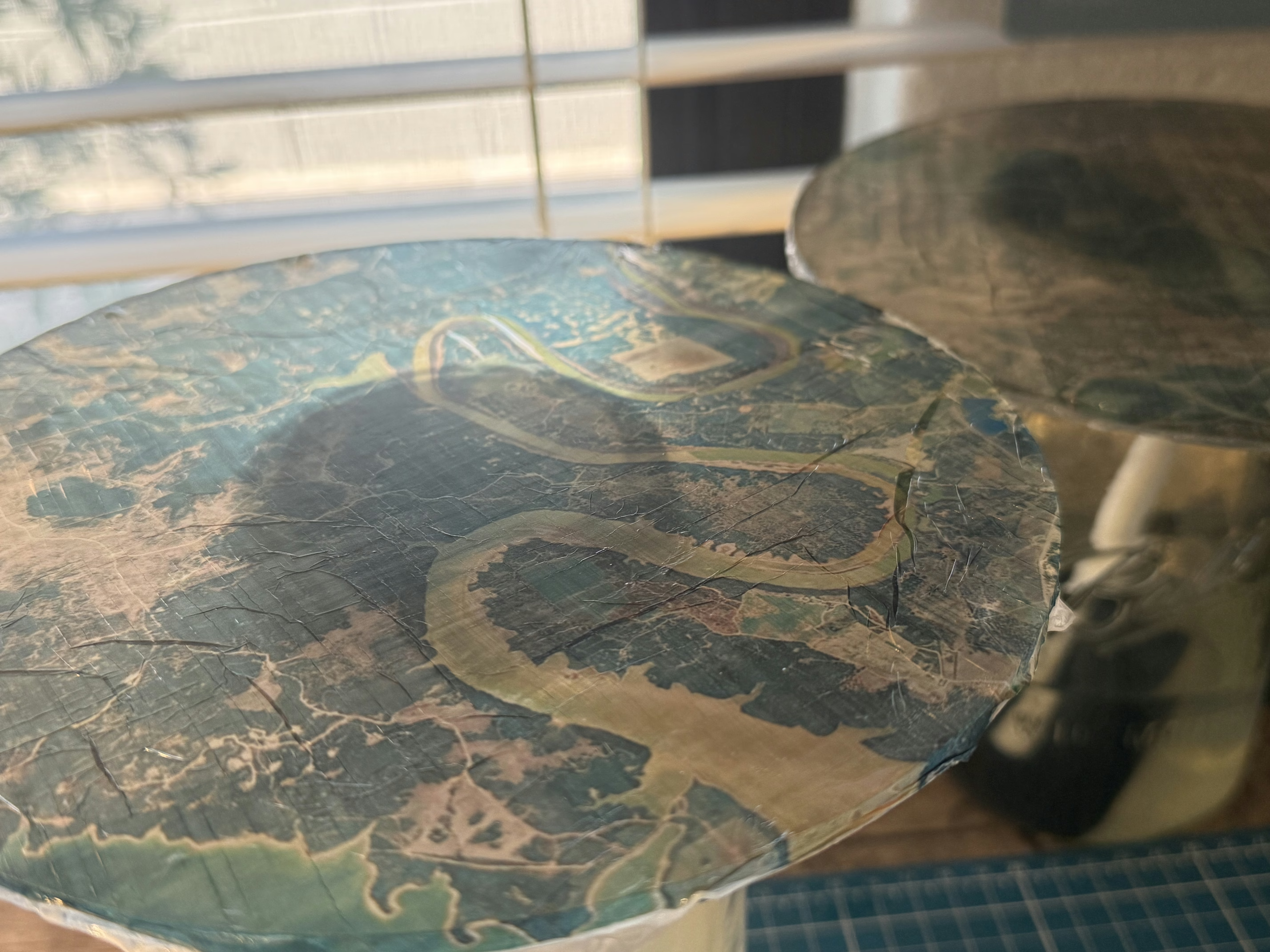
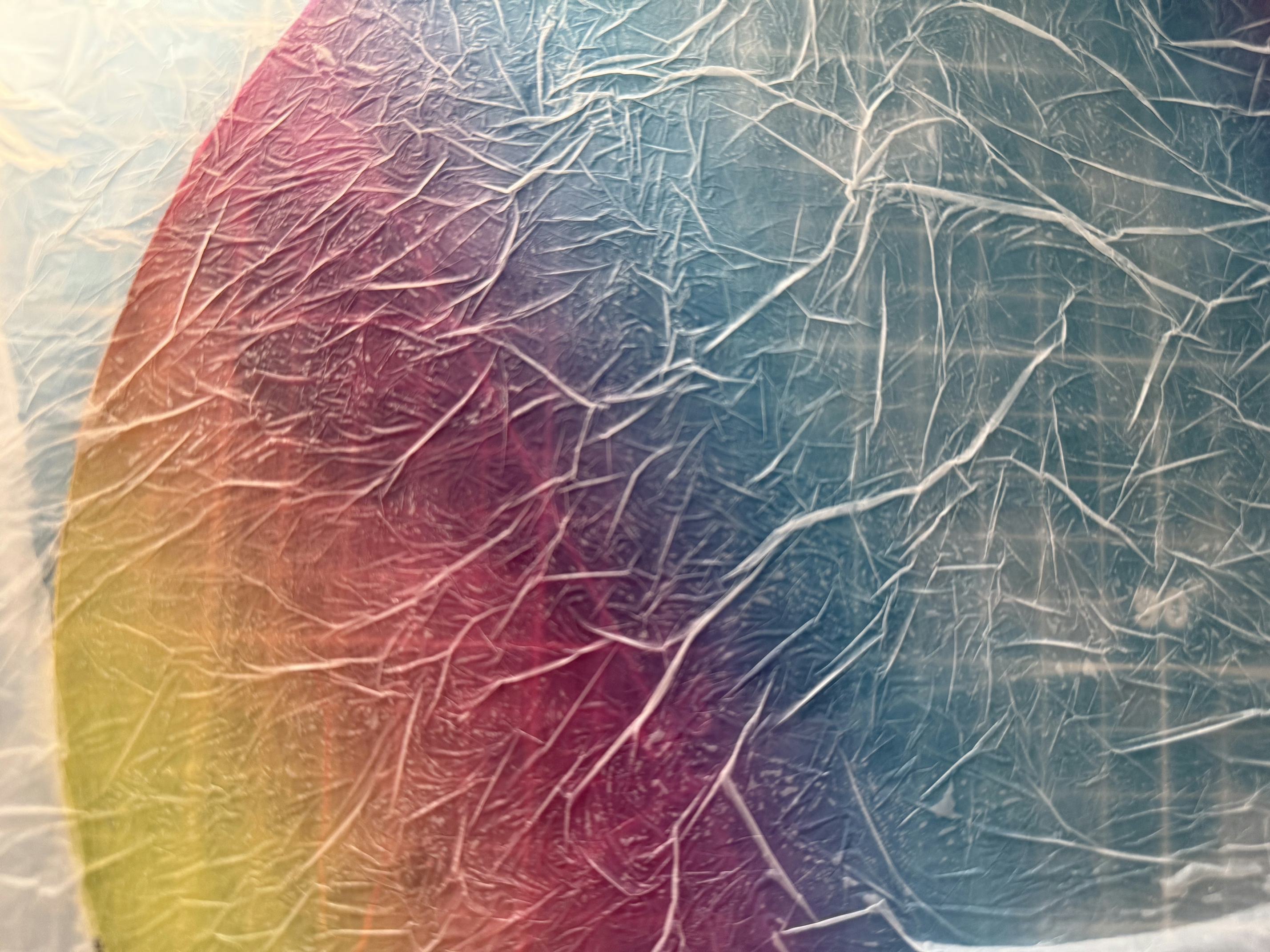
This project developed through close collaboration between artistic practice and scientific research. Geographic data and exposure maps informed the visual structure of the work, while material choices and movement translated research findings into an experiential format. The process centered on dialogue between disciplines, allowing scientific insight and artistic interpretation to remain distinct while working toward a shared goal of clarity and accessibility.