Colonized

About the Project
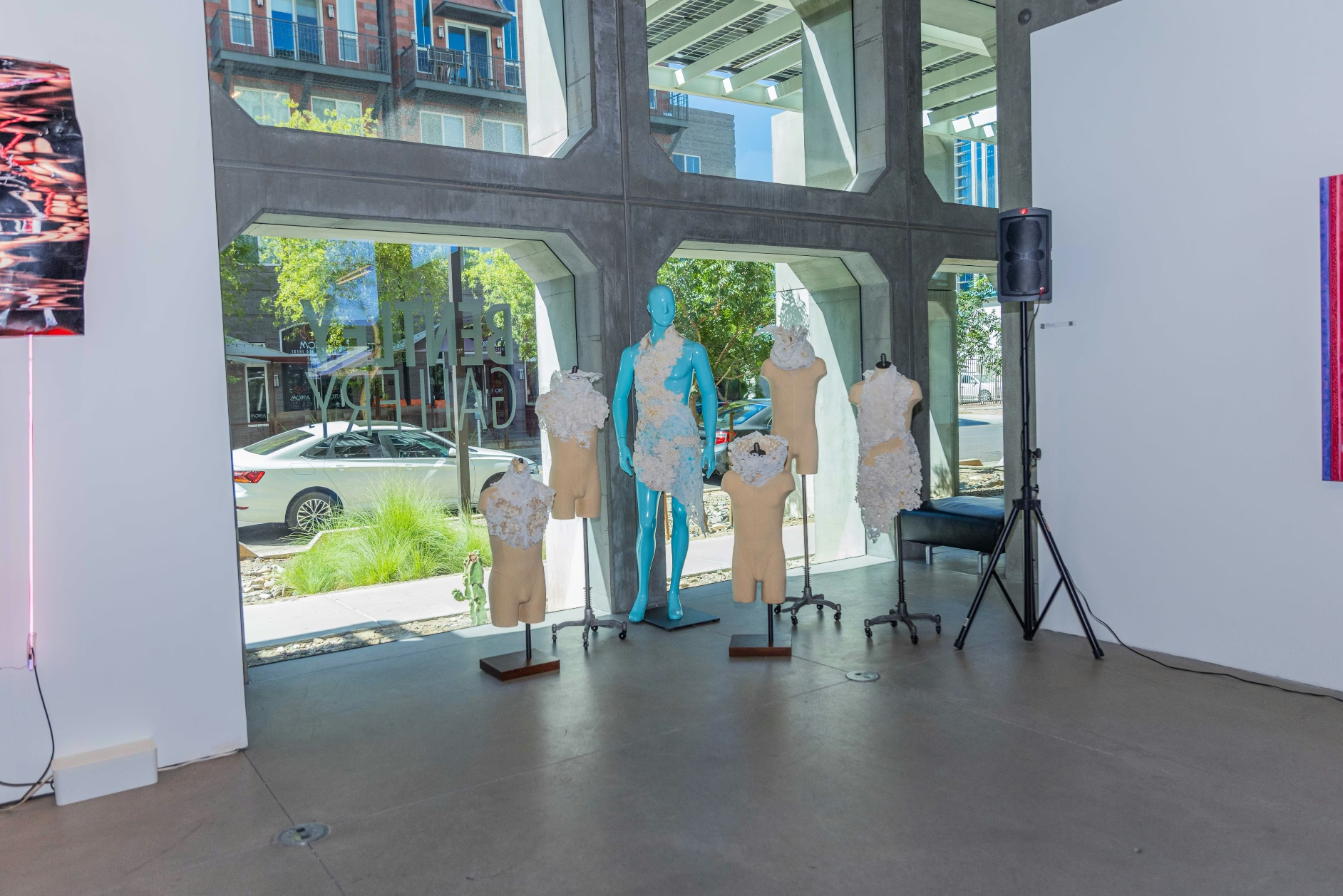
Colonized is a collection of fiber and mycelial works that explore the insidious nature of mental health stigma. The project is rooted in the concepts of anticipated stigma, defined as the fear of societal rejection, and internalized stigma, understood as self-directed shame and doubt shaped by social pressures. Together, these forces are examined for their impact on mental and emotional well-being.
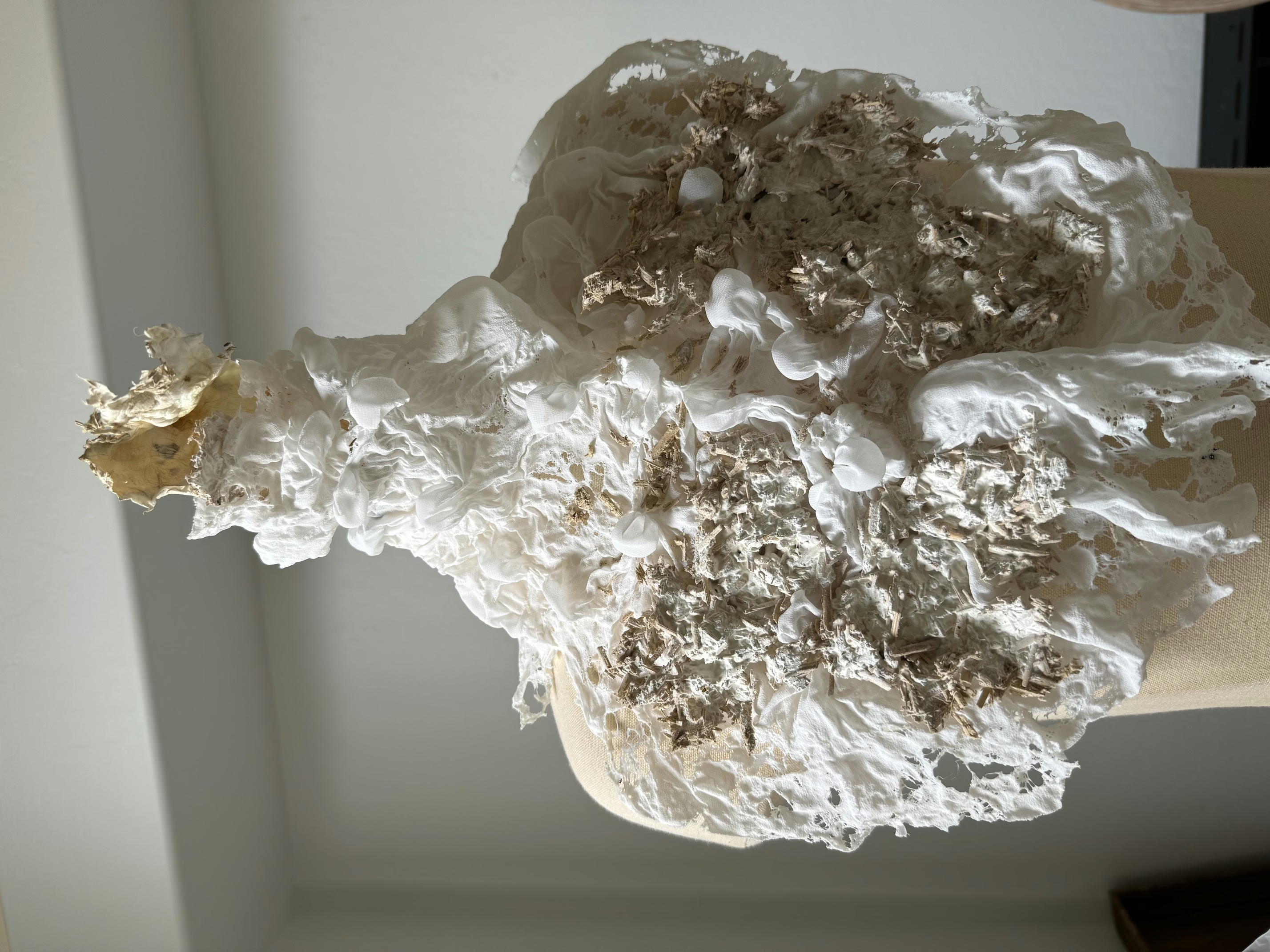
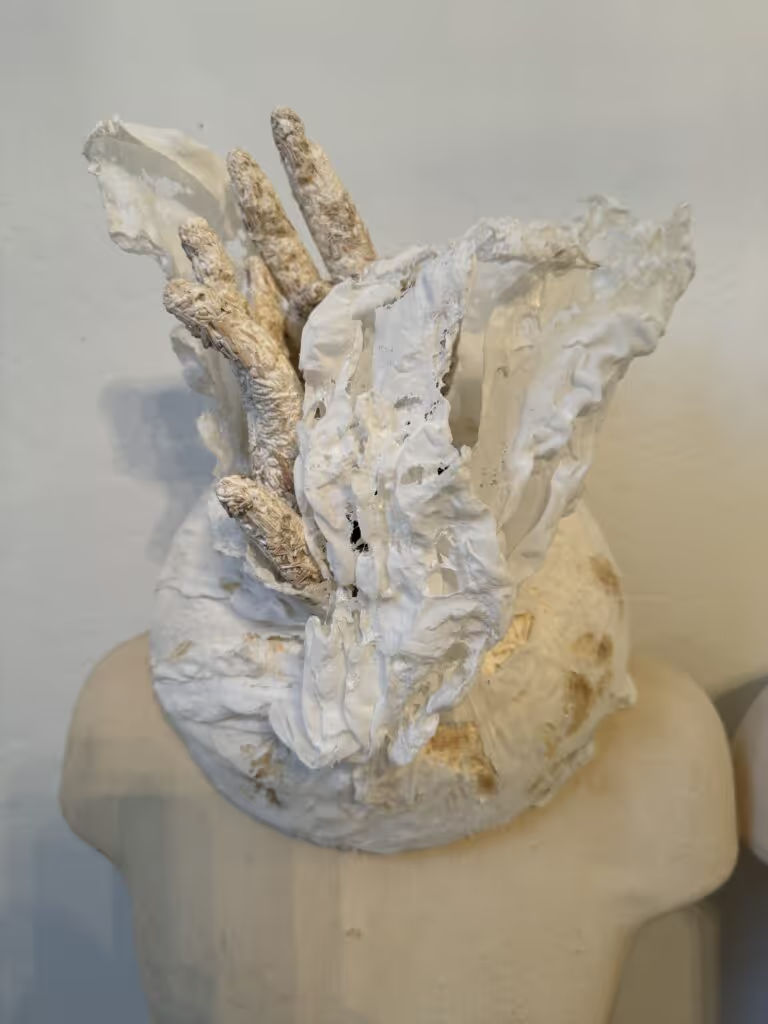
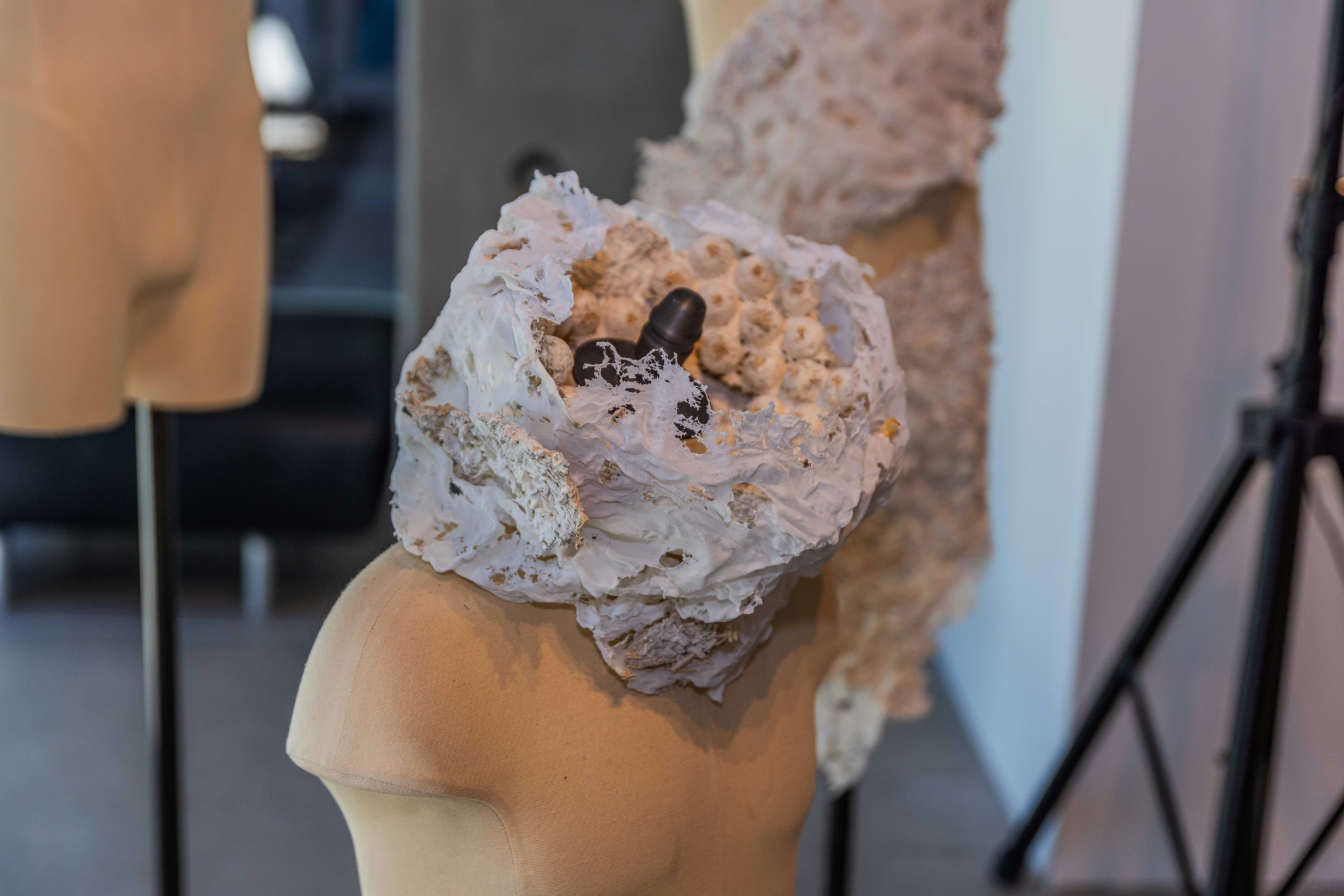
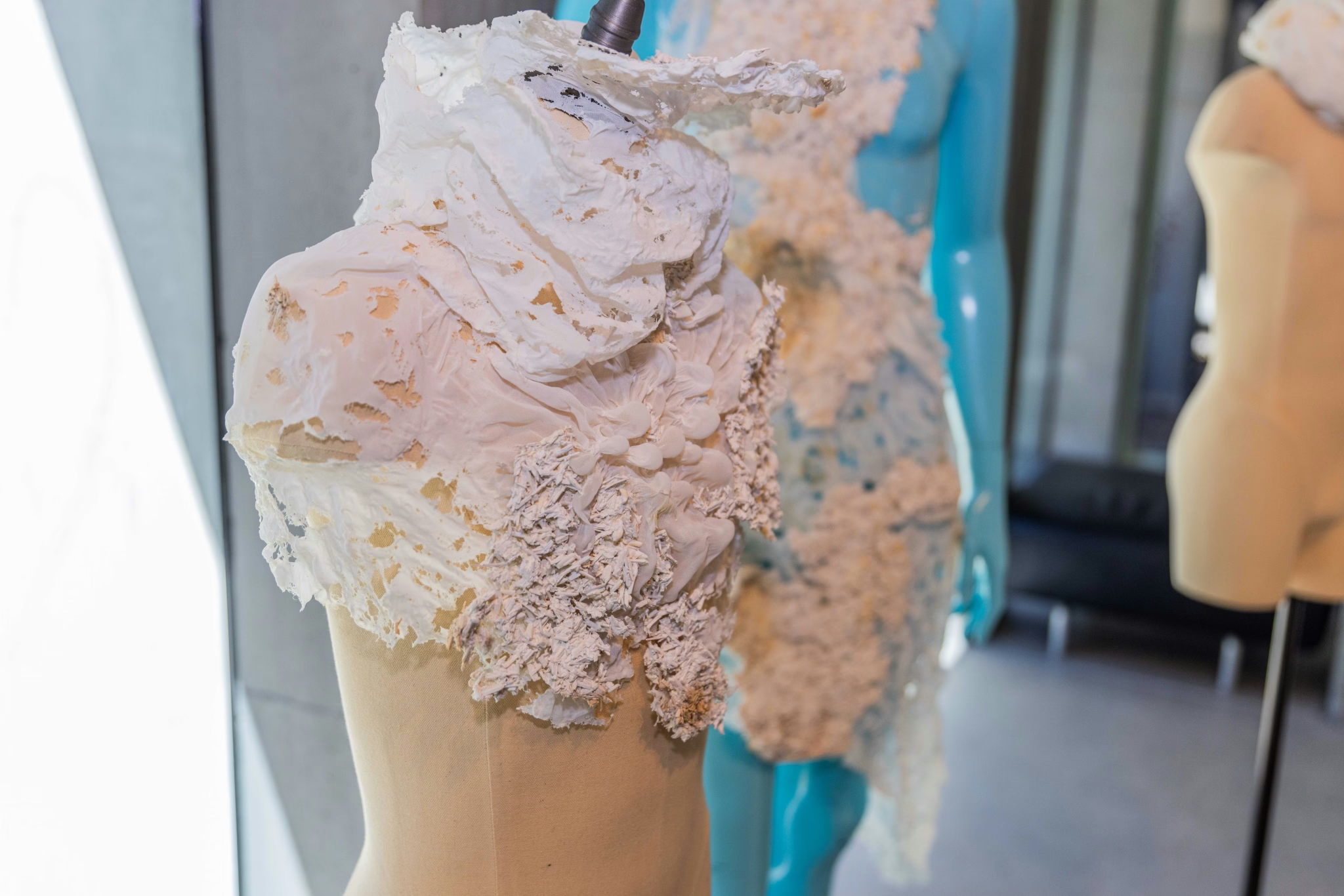
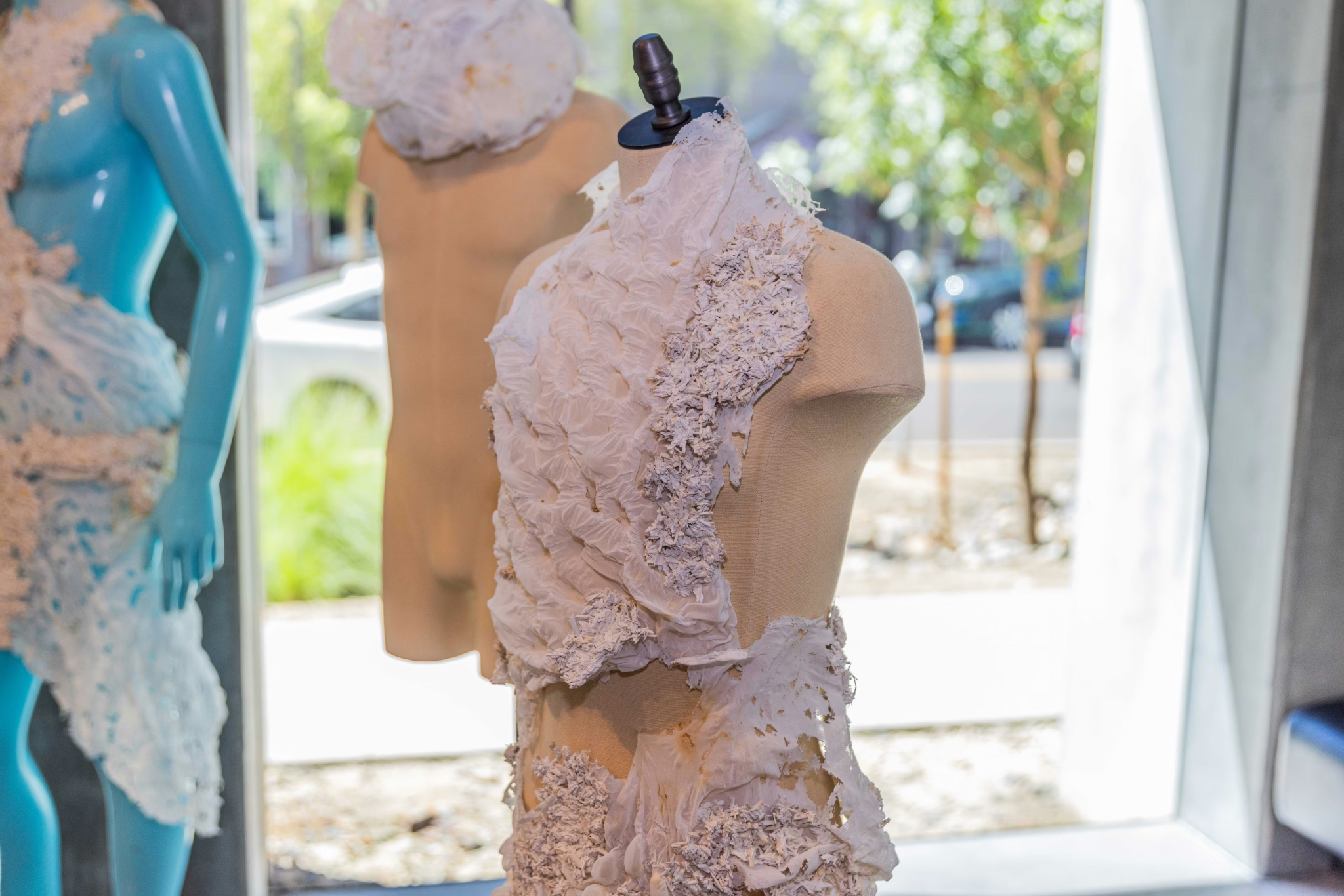
Drawing inspiration from the growth patterns of fungi, the sculptures use mycelium cultivation and fabric manipulation to symbolize the gradual deterioration of mental health under persistent stigma. The forms reflect processes of growth and overgrowth, emphasizing how stigma can proliferate when left unchallenged. Recycled polyester and hemp by-product serve as foundational materials, with mycelium nurtured within their structure to create tangible representations of invasion and erosion.
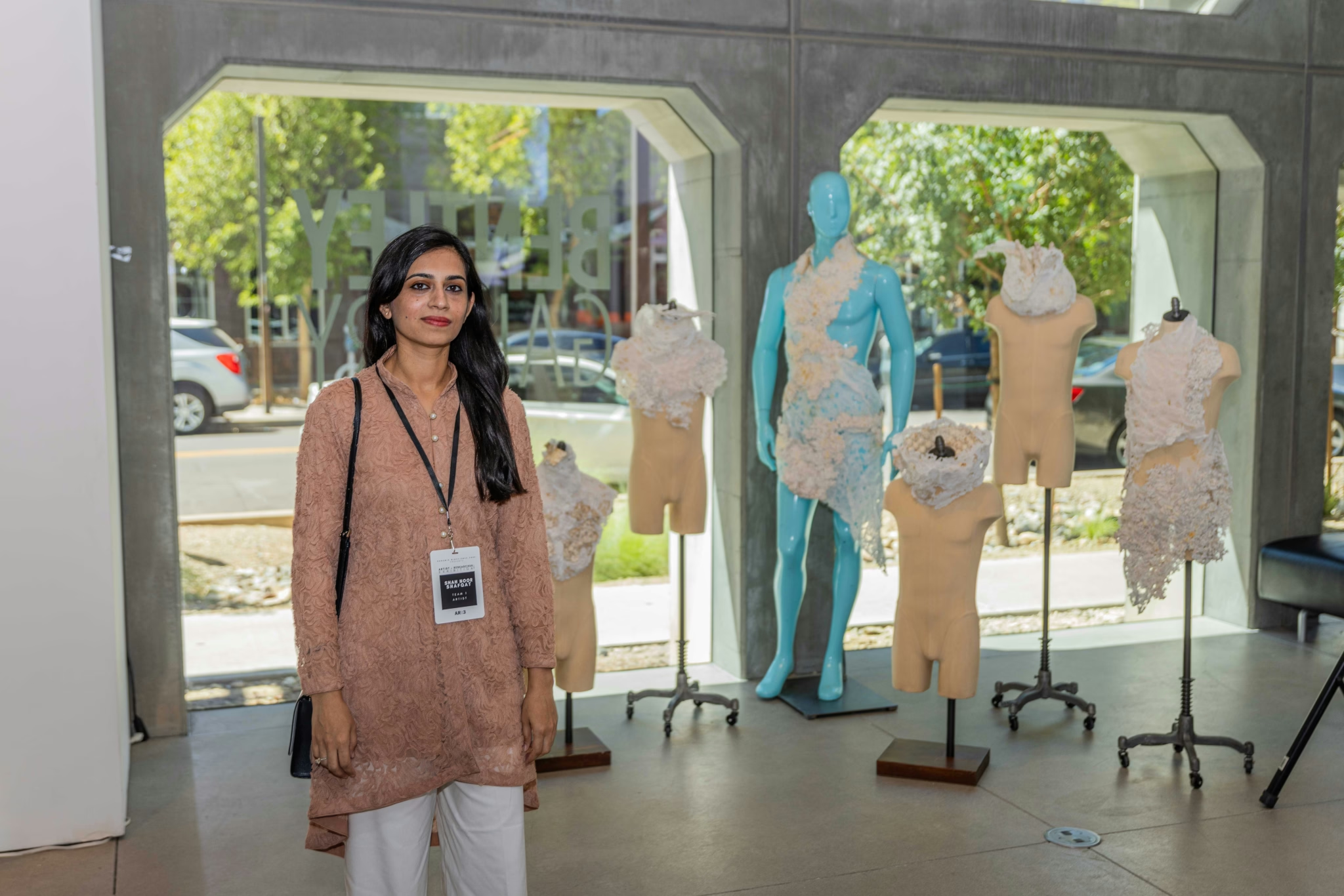
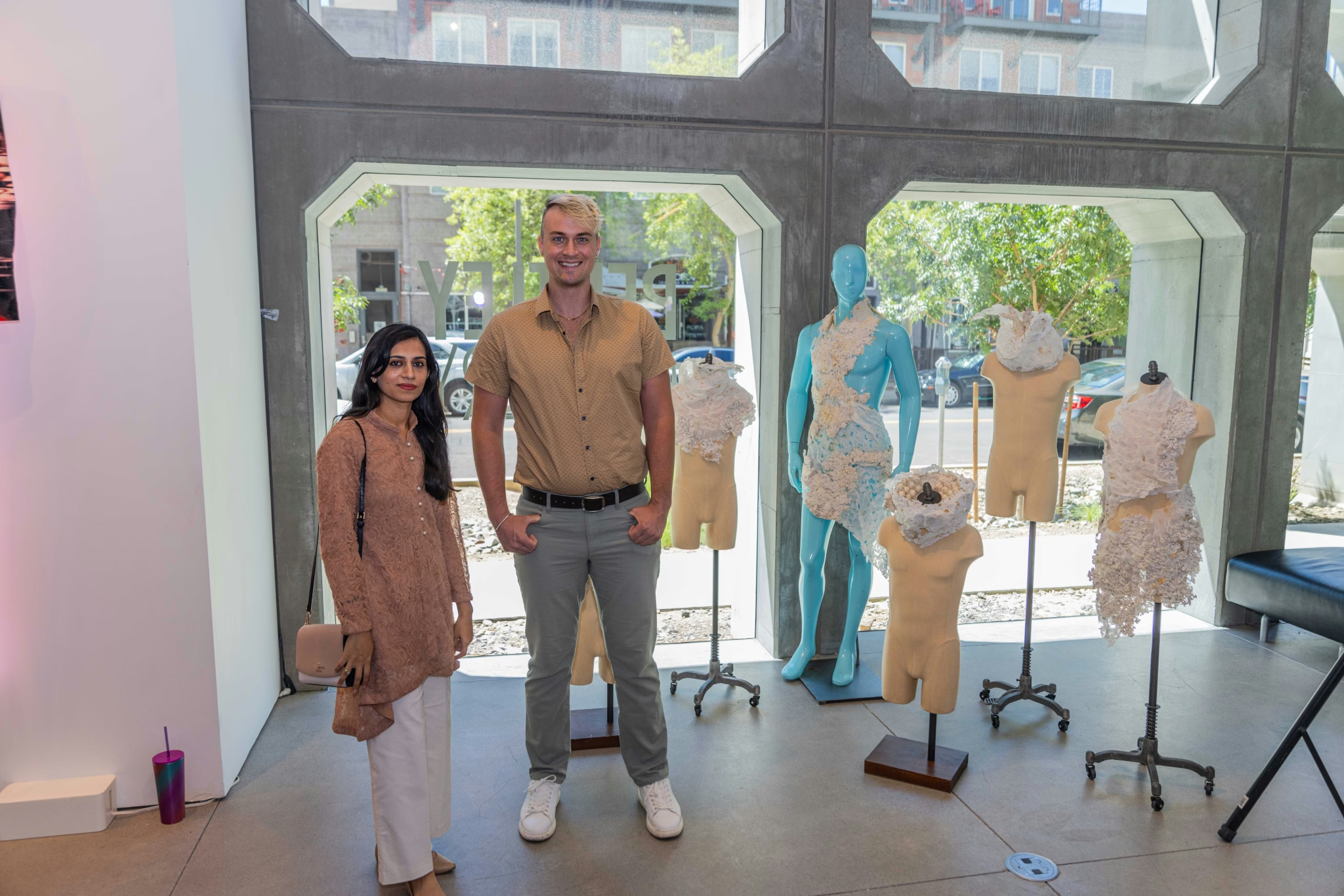
Presented as wearables on mannequins, the sculptures highlight stigma as a burden carried by individuals. The mannequins, stripped of personal characteristics, function as collective figures that reflect the muting of identity, expression, and self-worth. The project also considers the capacity of mycelium to bioremediate recycled polyester, linking questions of mental health with broader concerns around sustainability and material transformation.

Artpiece dimensions
31″ x 15″
Artpiece price
$1,500 to $2,000





Behind the work
The project developed through collaboration between artistic experimentation and research focused on stigma and health inequities. Material testing with mycelium informed both form and process, while research frameworks shaped the conceptual grounding of the work. Iteration focused on allowing biological growth to interact with constructed materials, creating outcomes that mirrored the unpredictability and persistence of stigma. The collaboration emphasized translation between scientific insight and material expression, keeping both disciplines in active dialogue.